About
“Time is an illusion.”
Albert Einstein
Gary Colbert-Owen
I am a photographer.
I am not a professional photographer.
I am a passionate photographer.
I have created this website to share my images with the unsuspecting world, where I believe they will find people who will enjoy looking at them as much as I enjoy creating them and who will share my passion and vision.
The Images
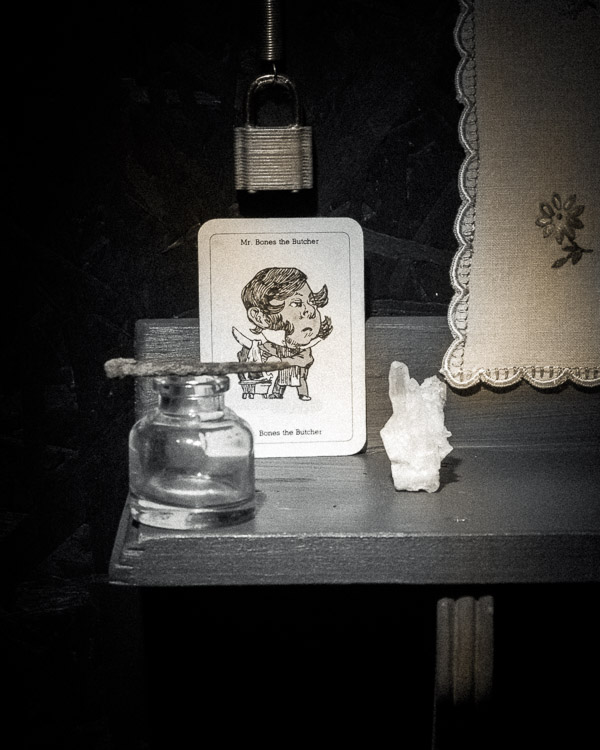
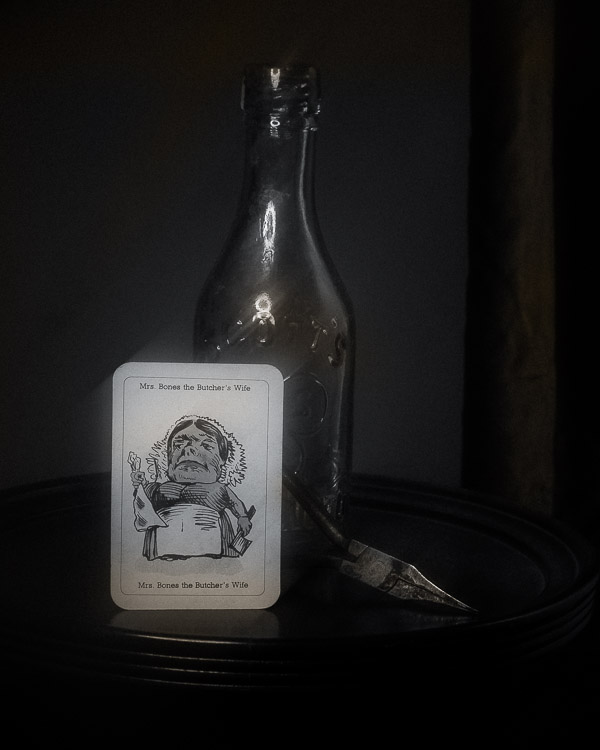
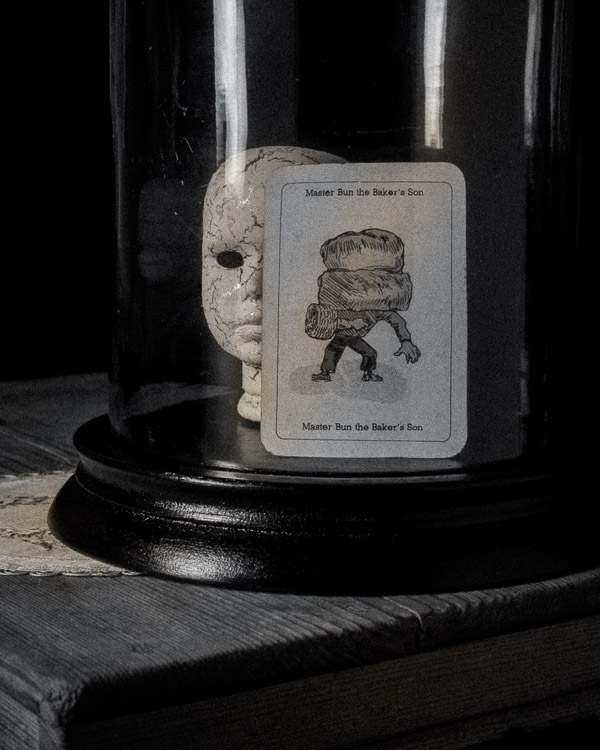
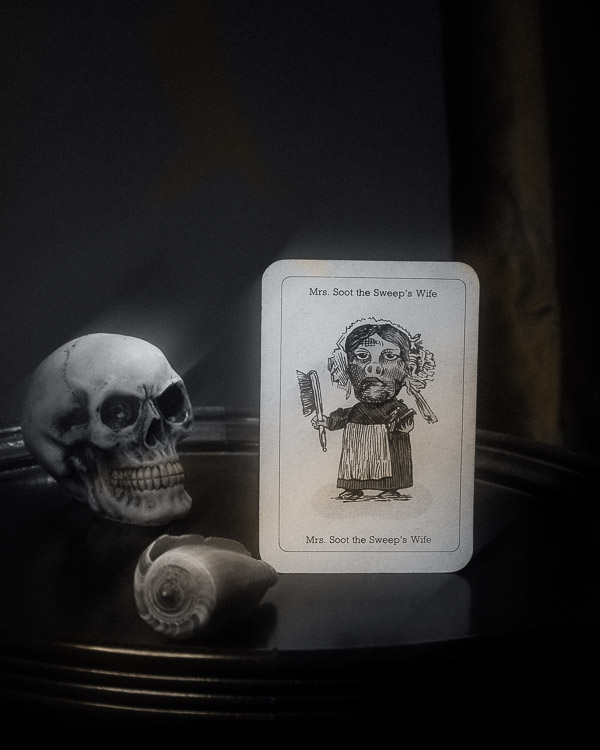
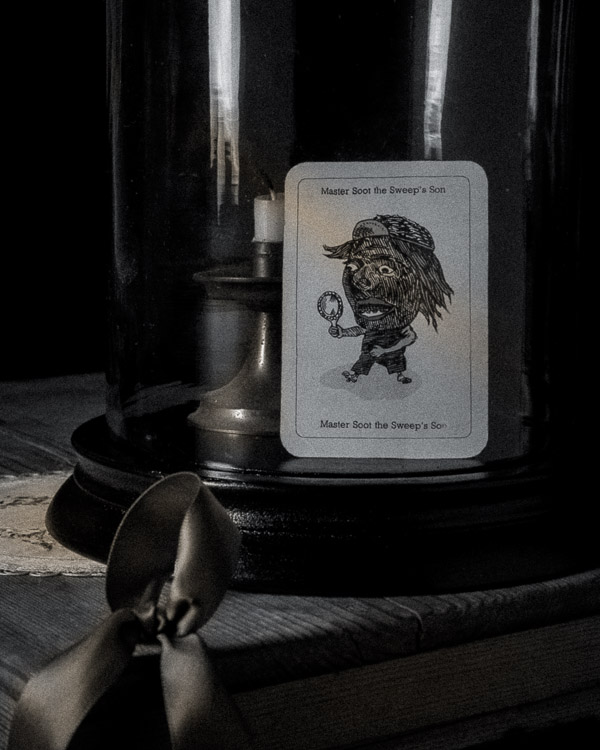
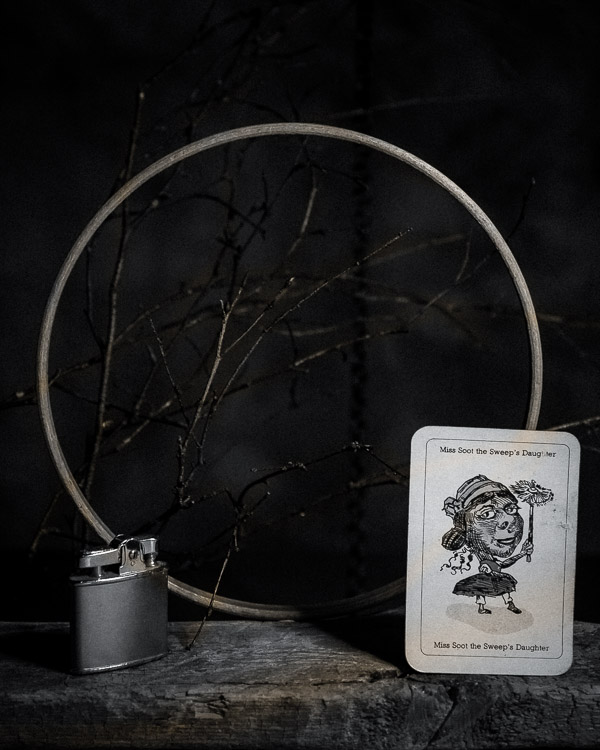
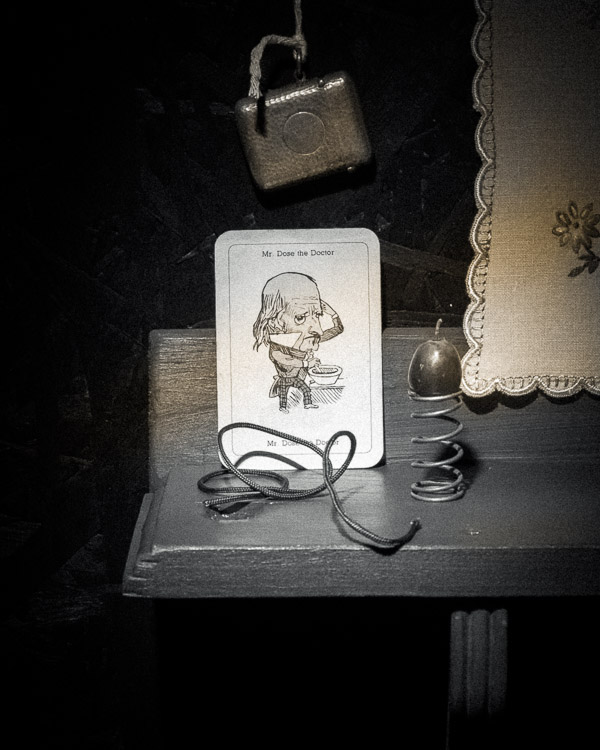
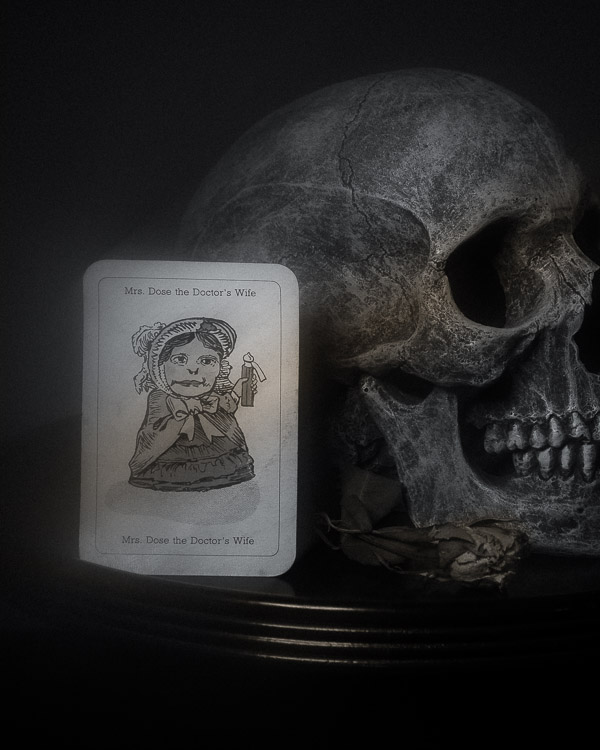
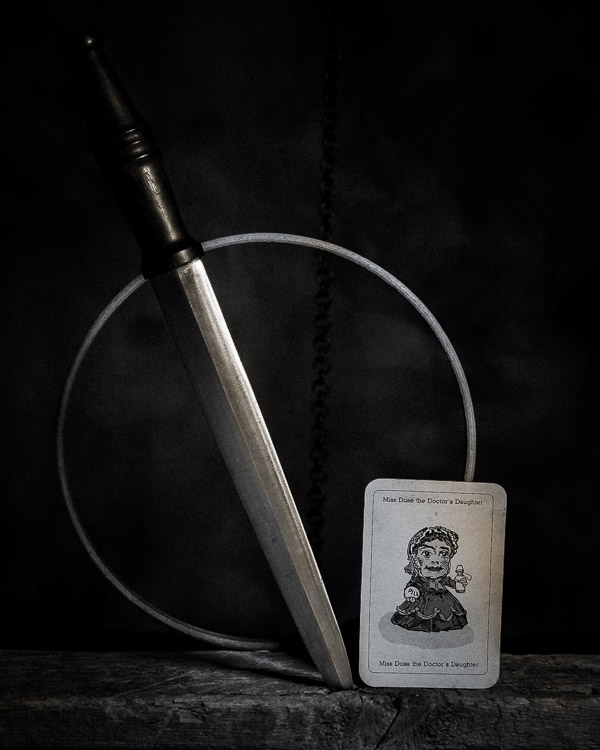
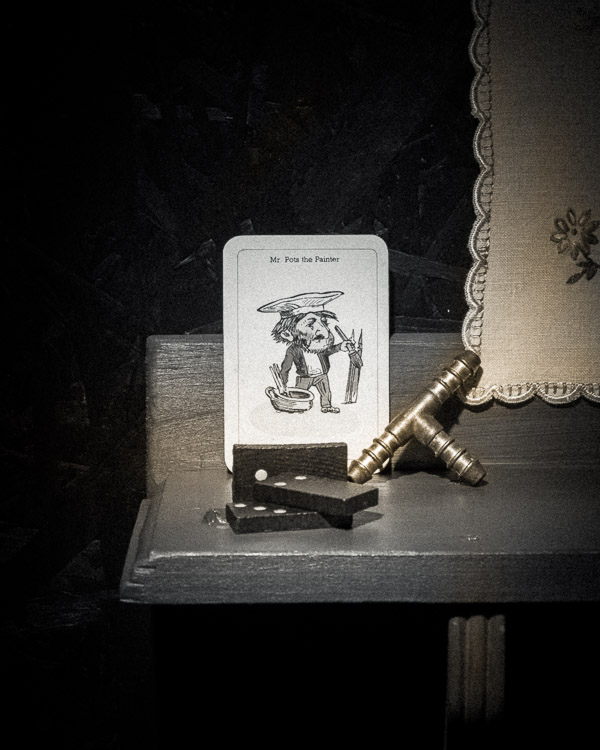
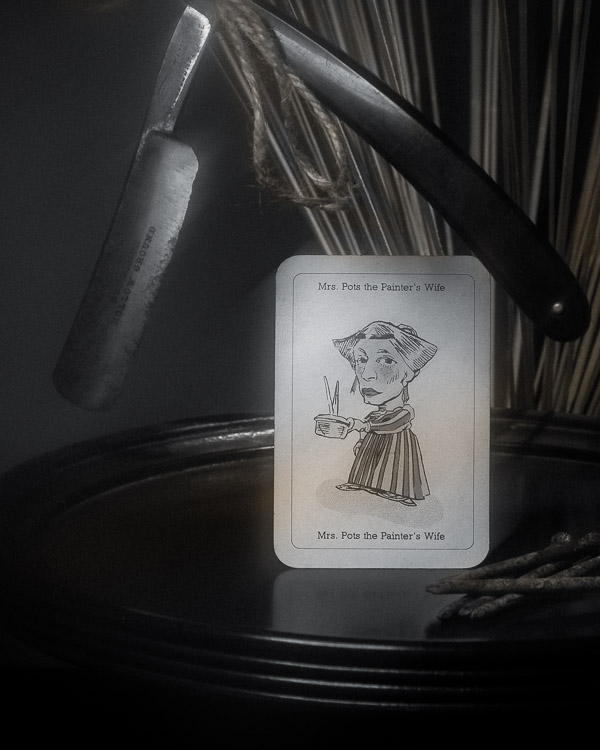
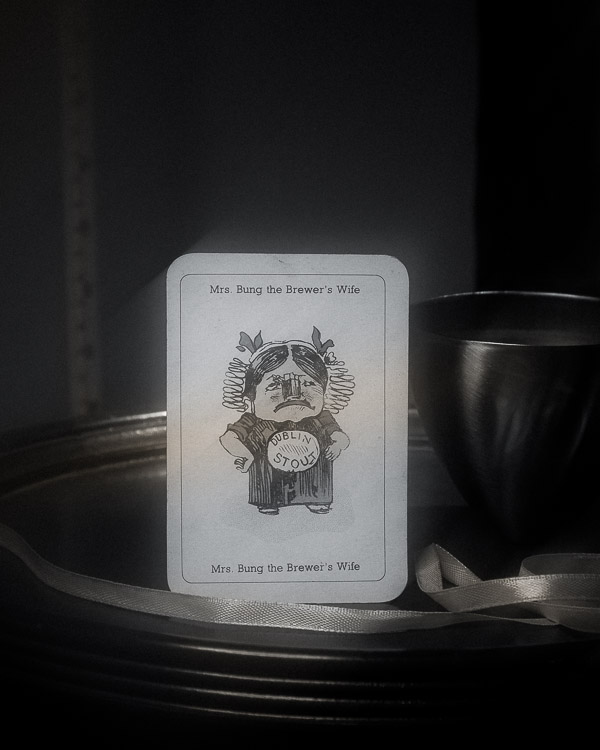
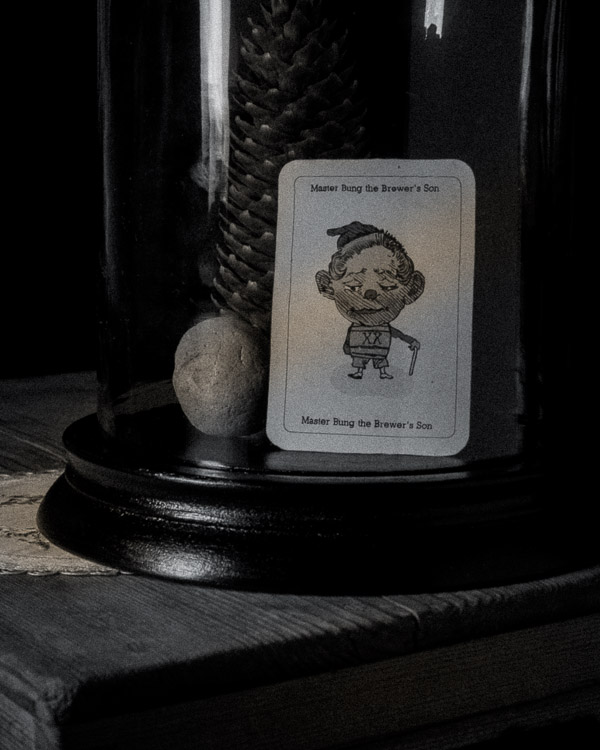
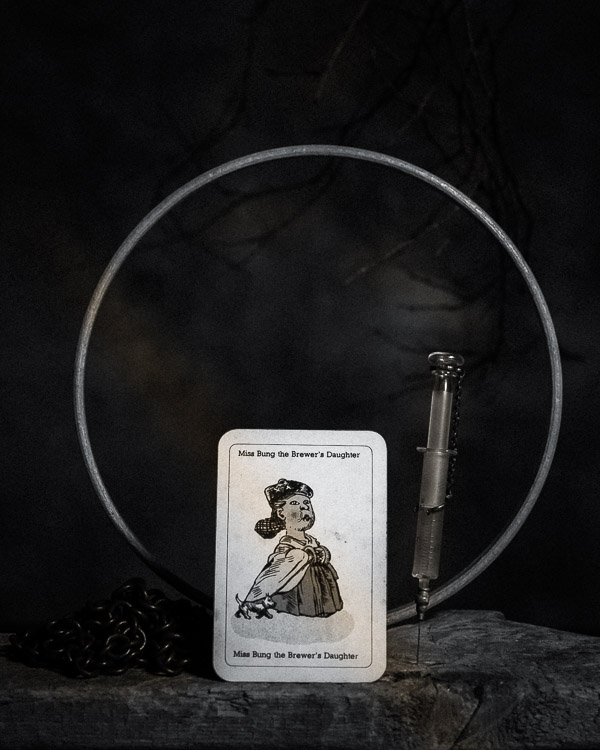
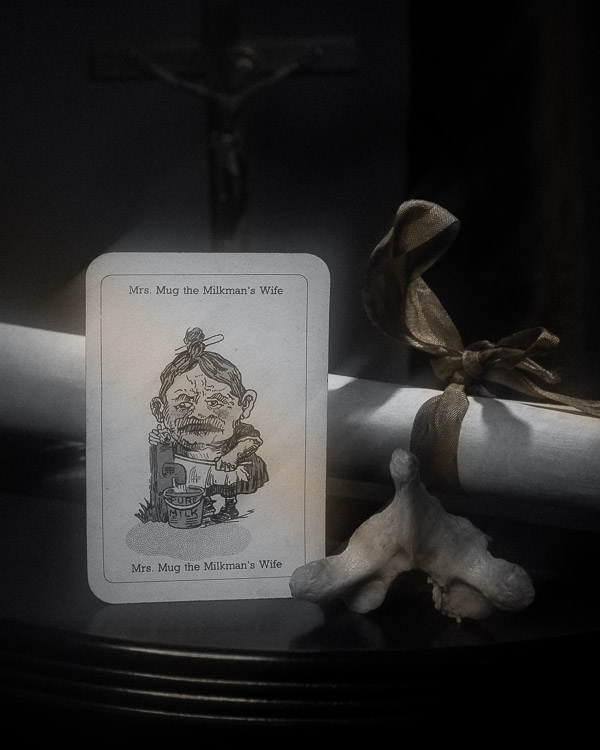
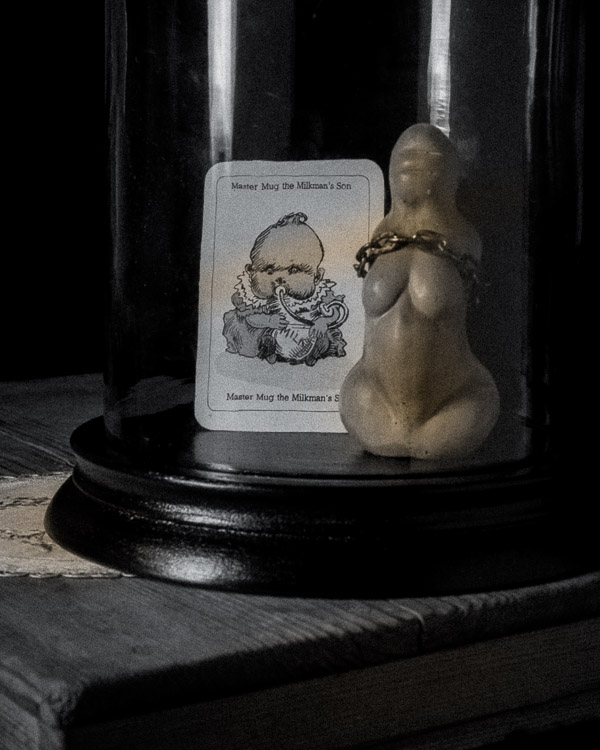
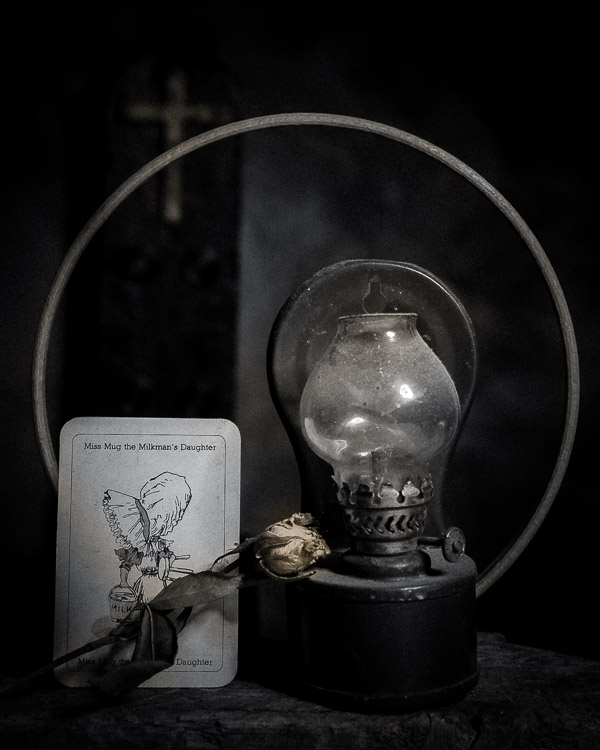
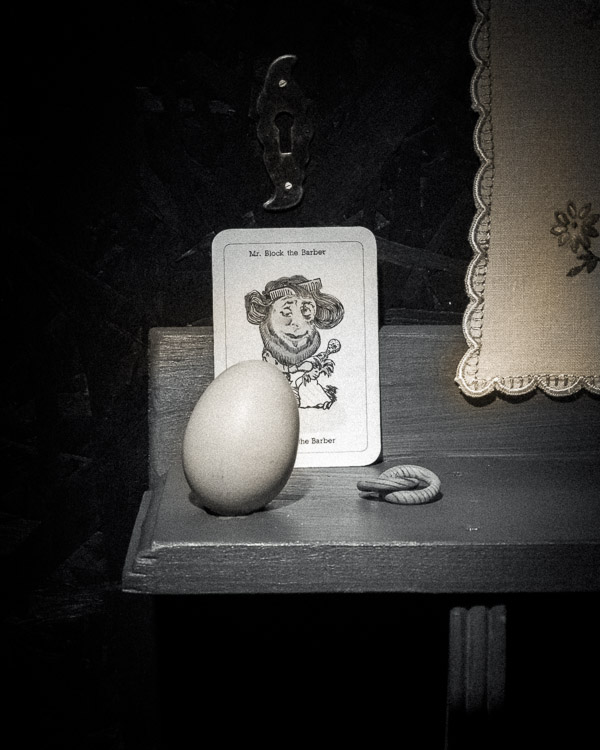
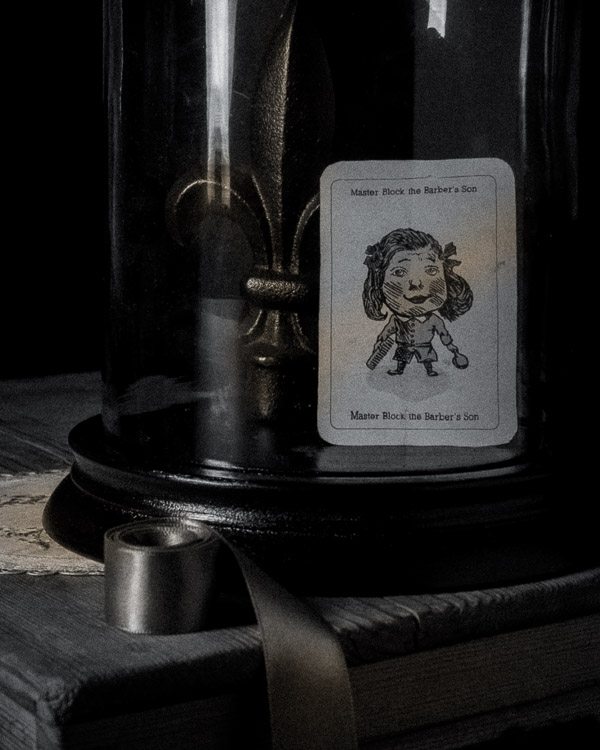
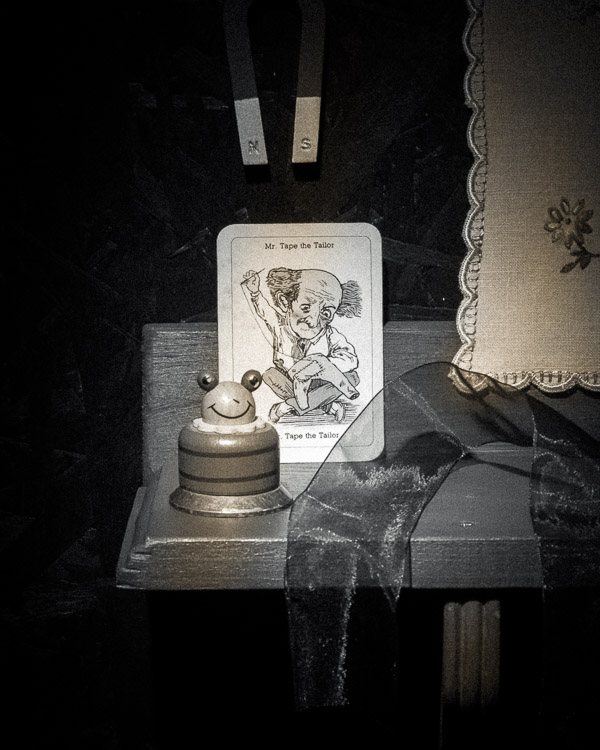
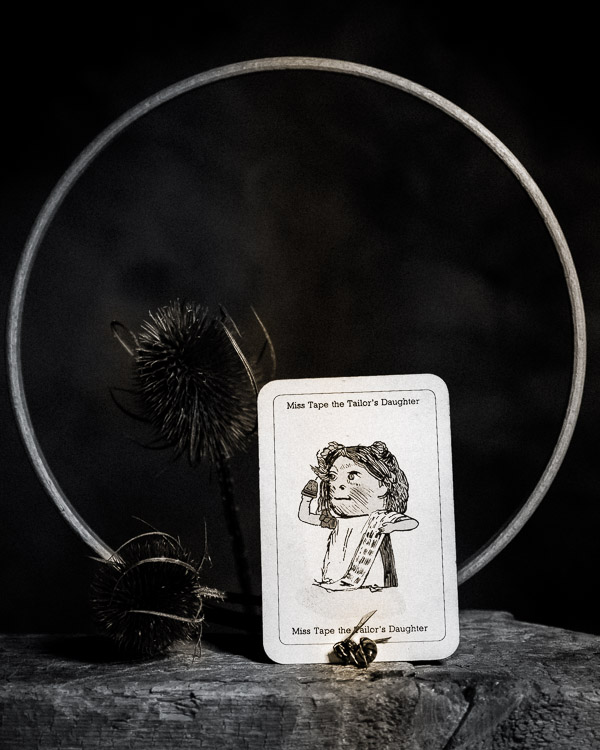
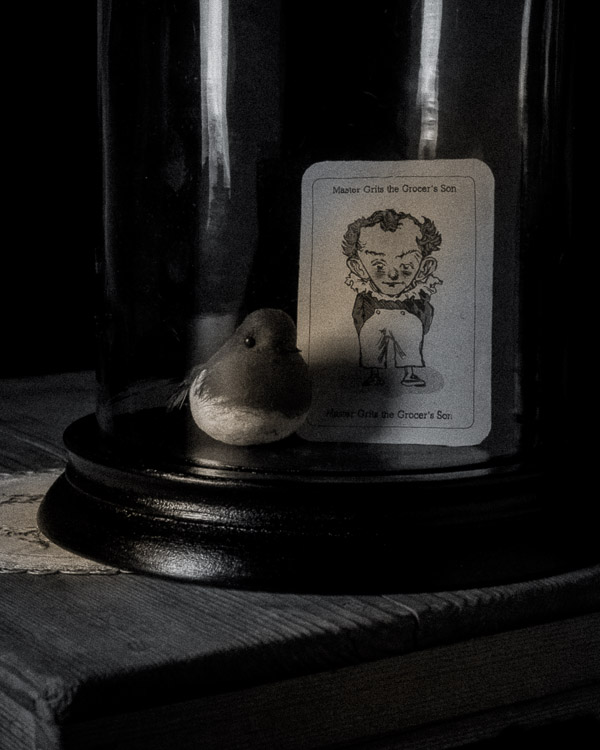
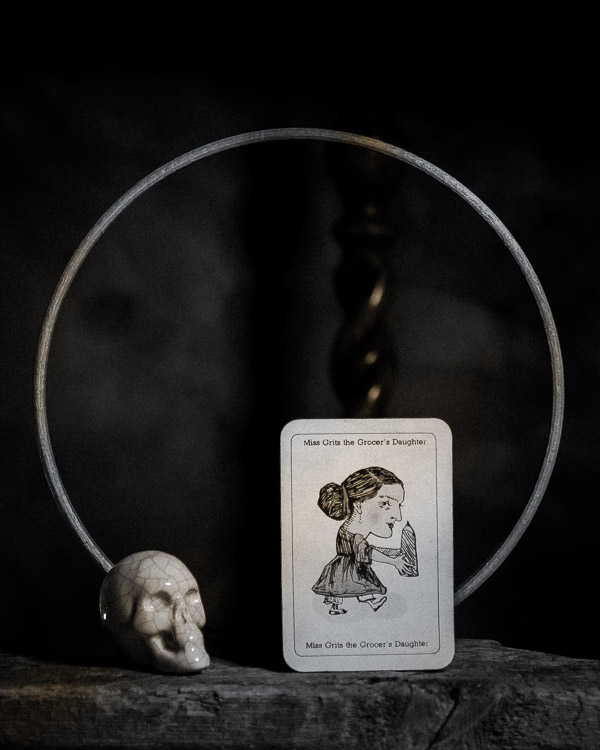
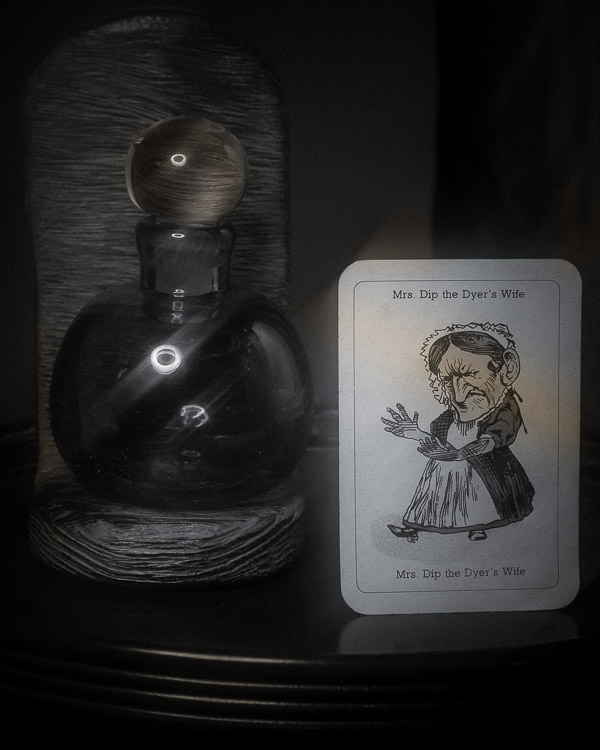
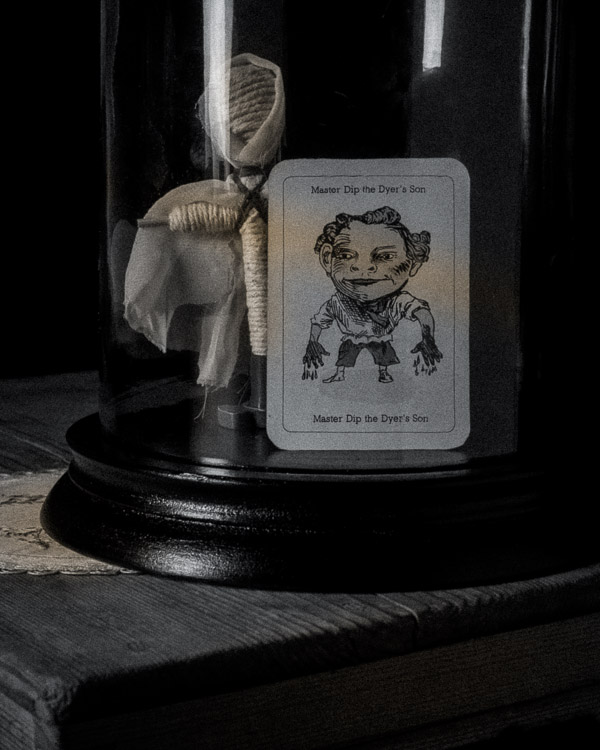
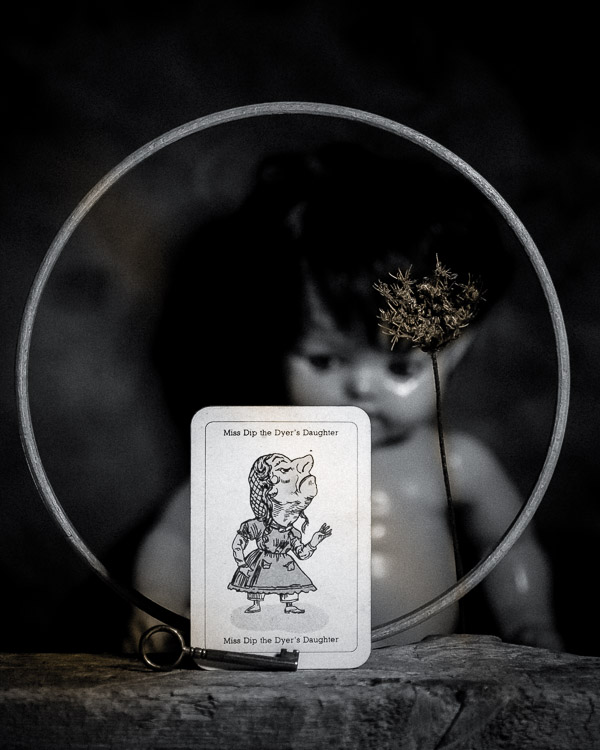
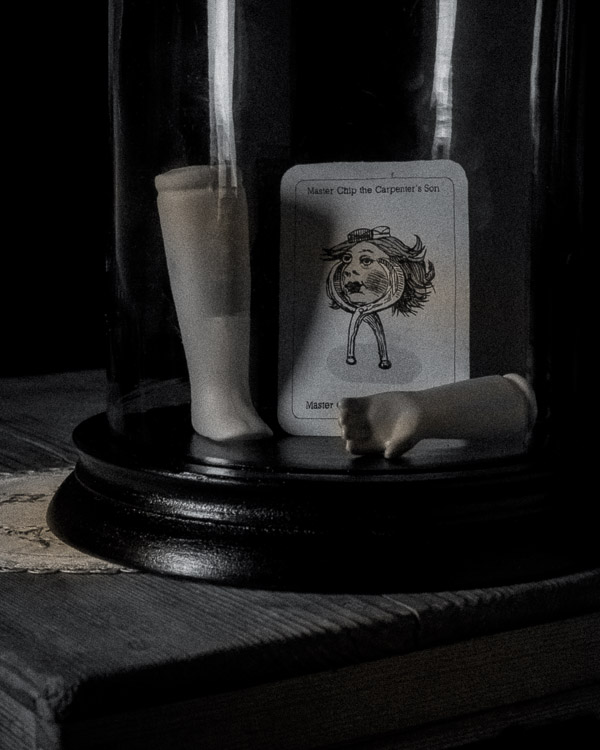
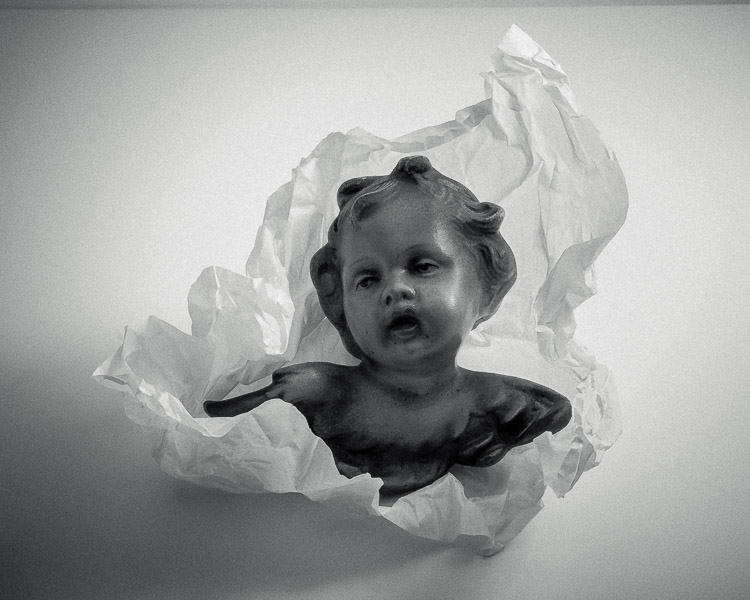
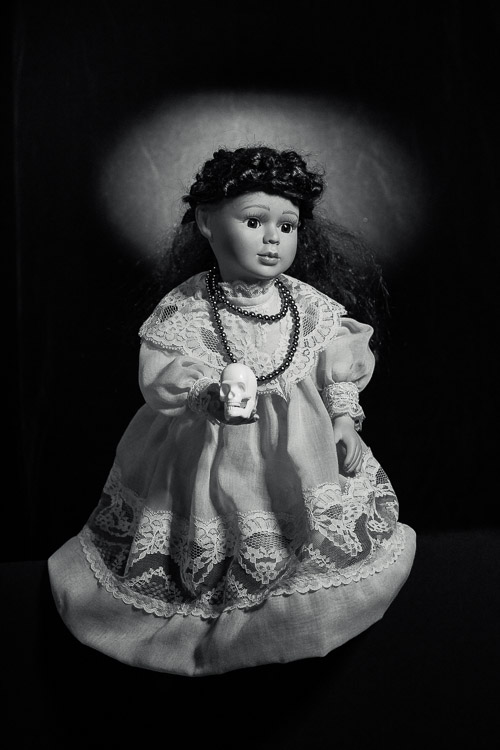
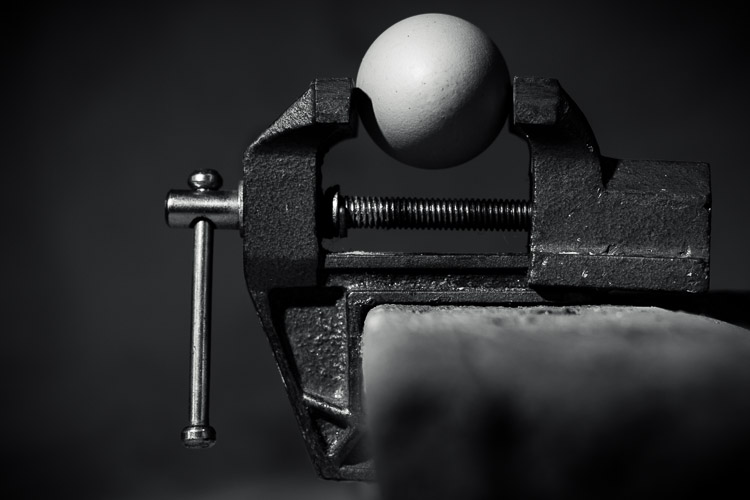
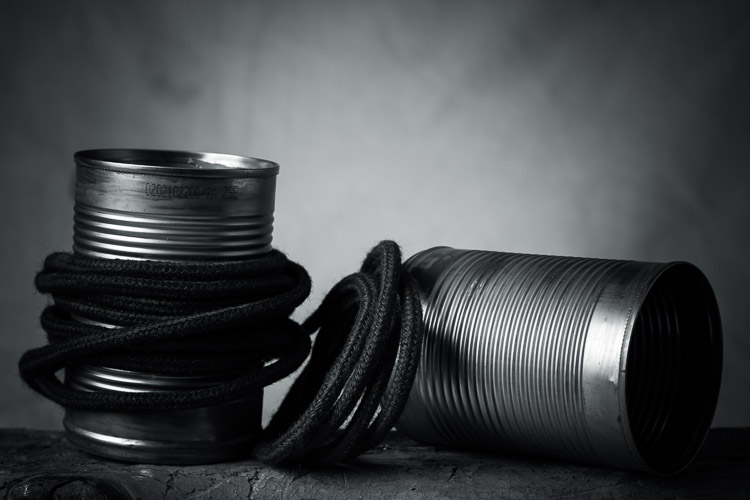
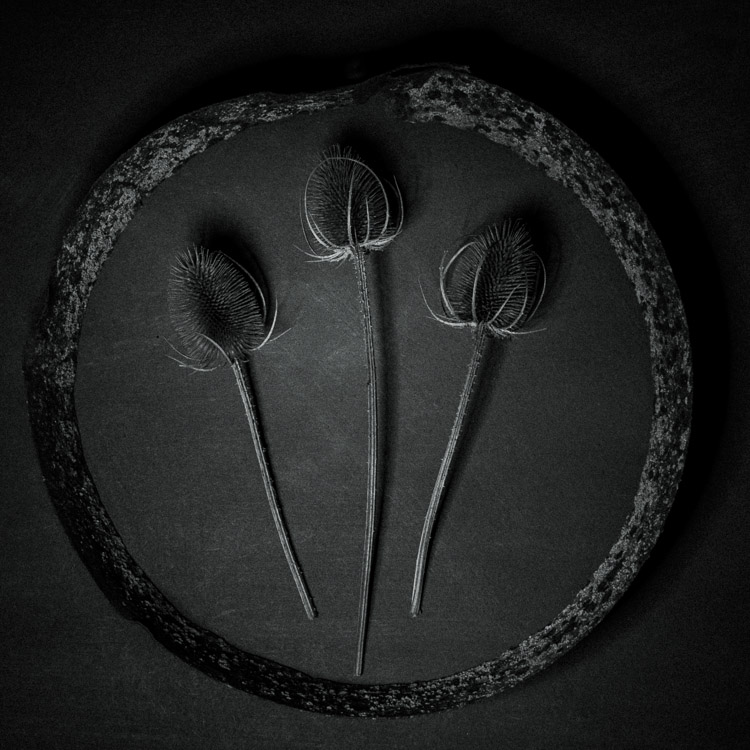
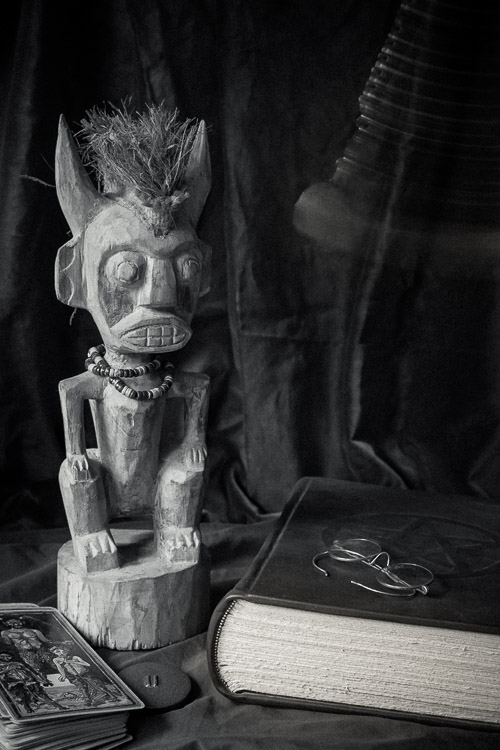
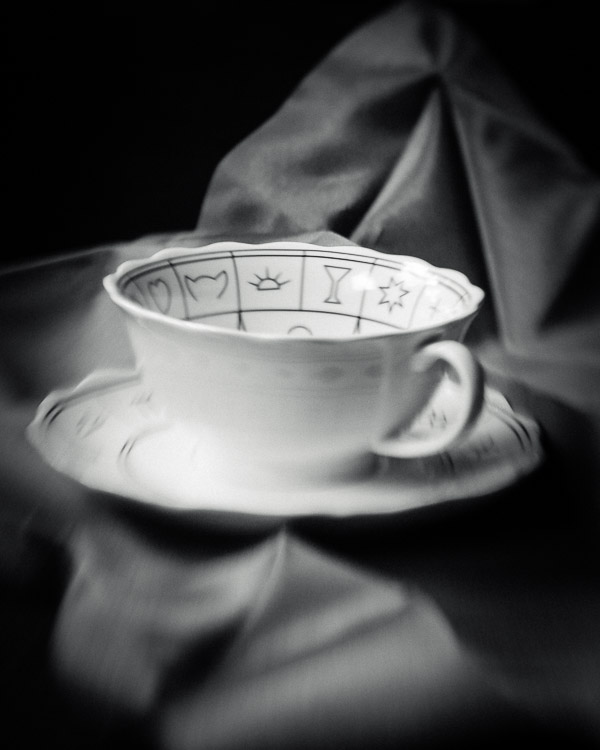
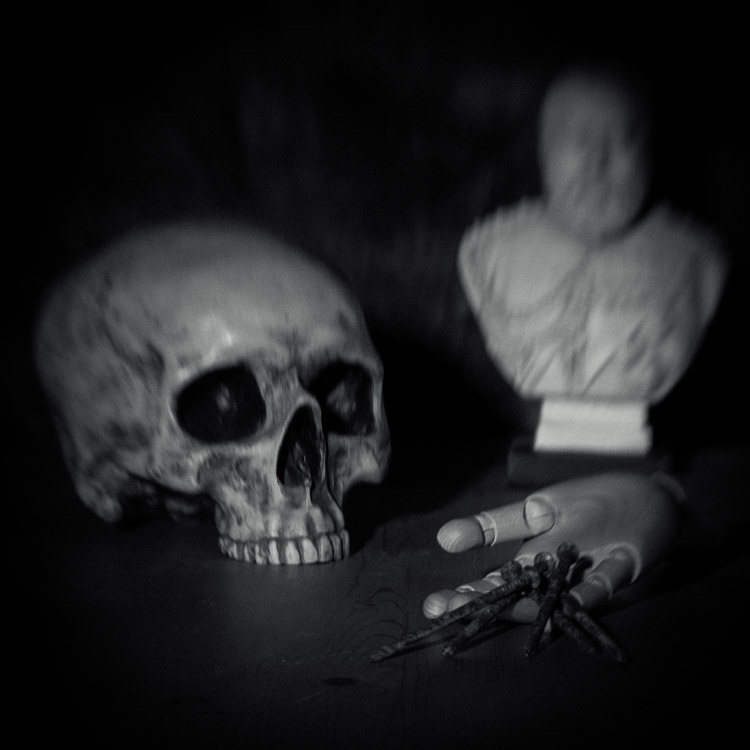
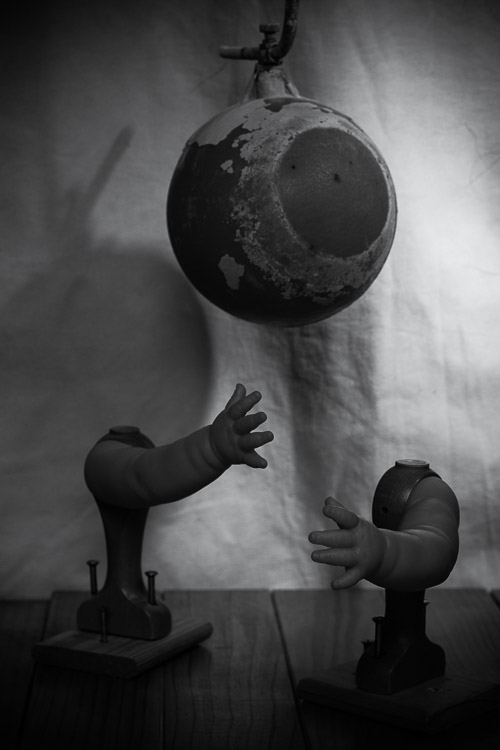
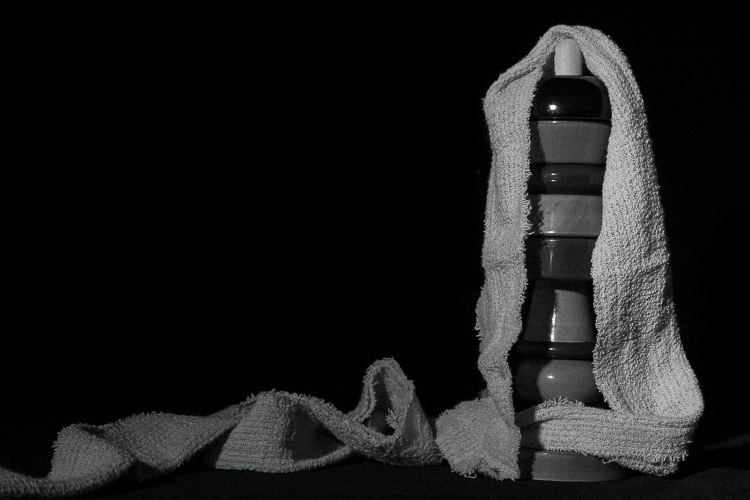
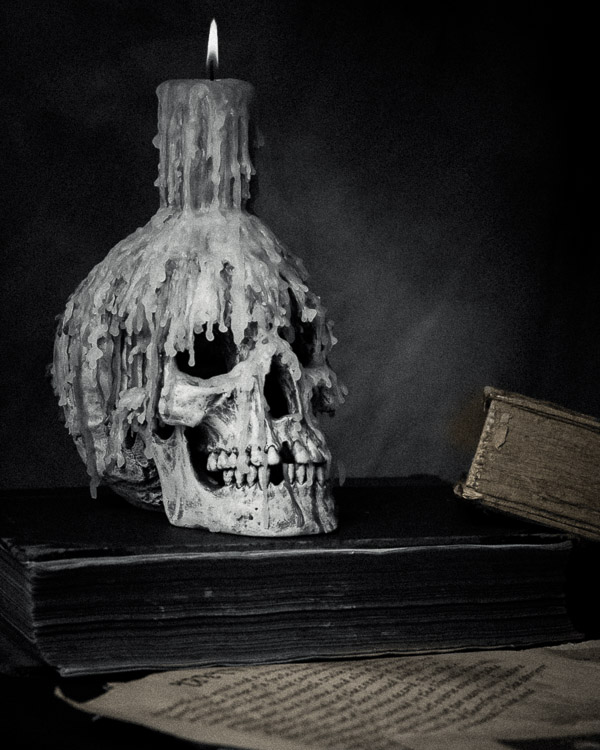
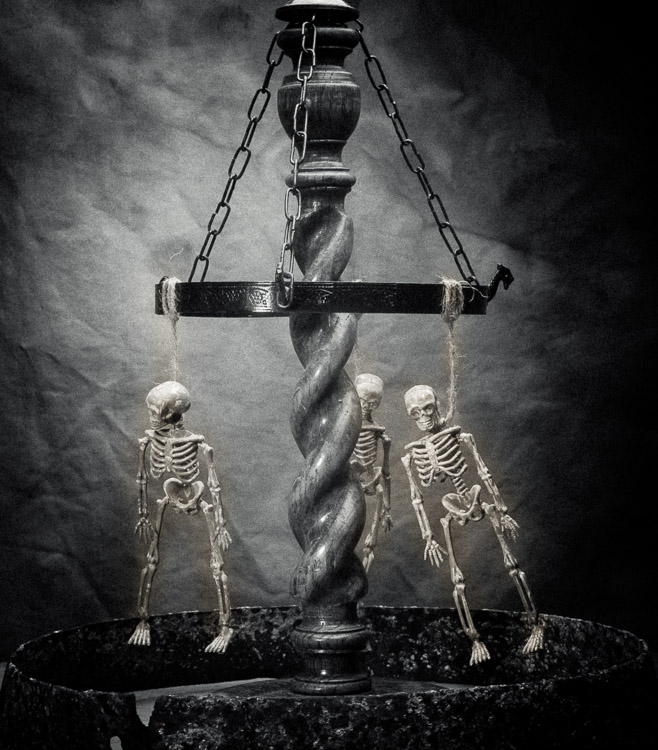
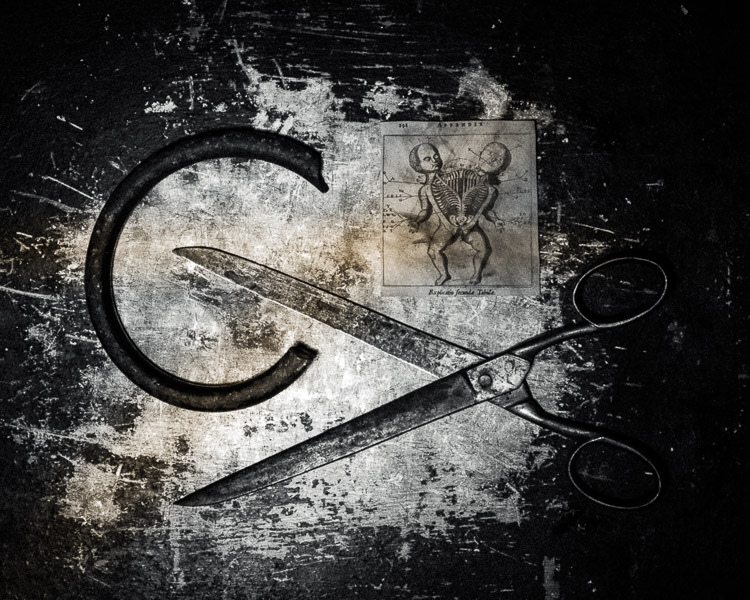
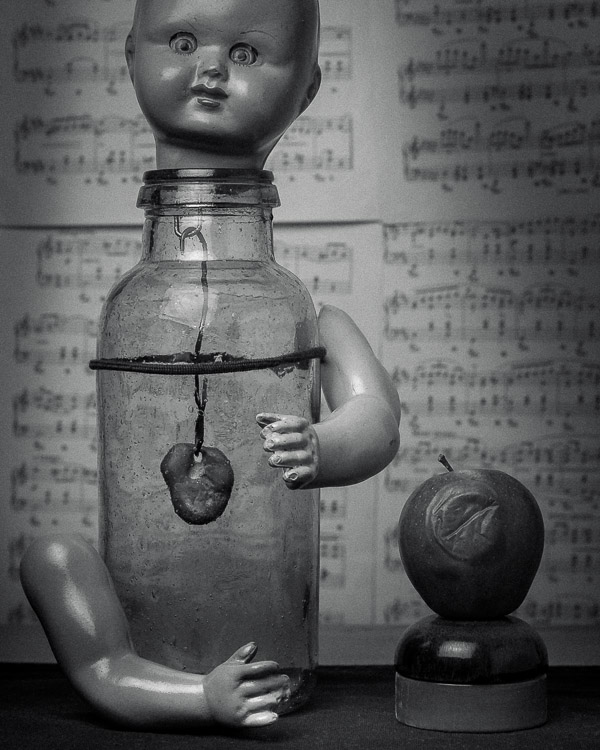
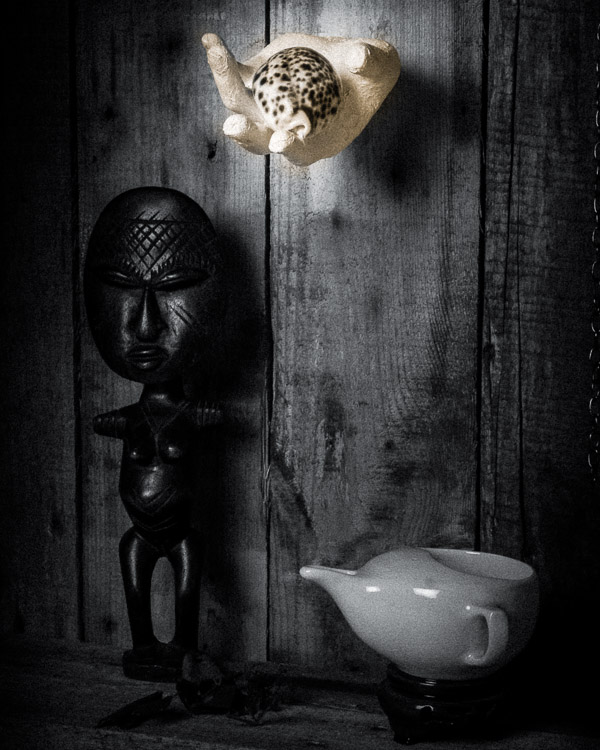
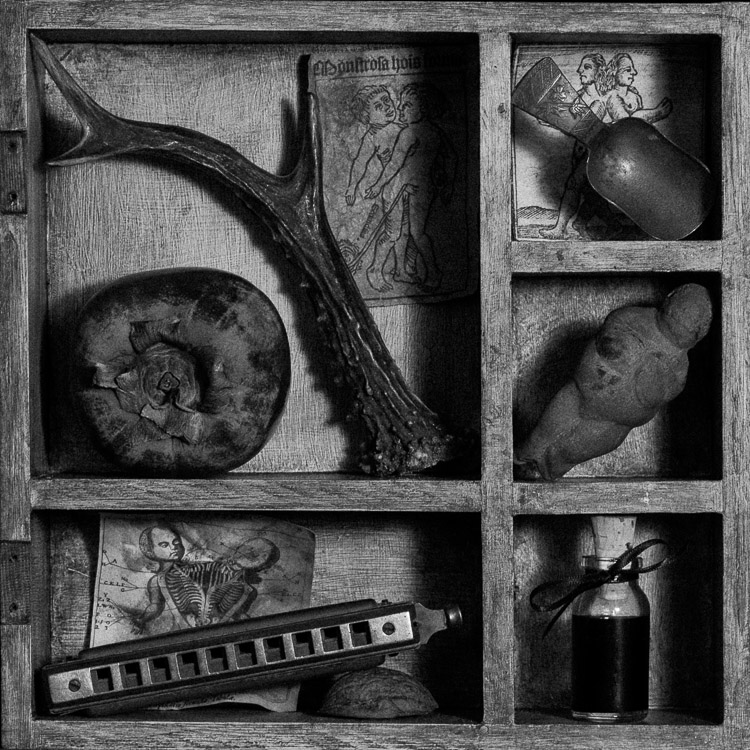
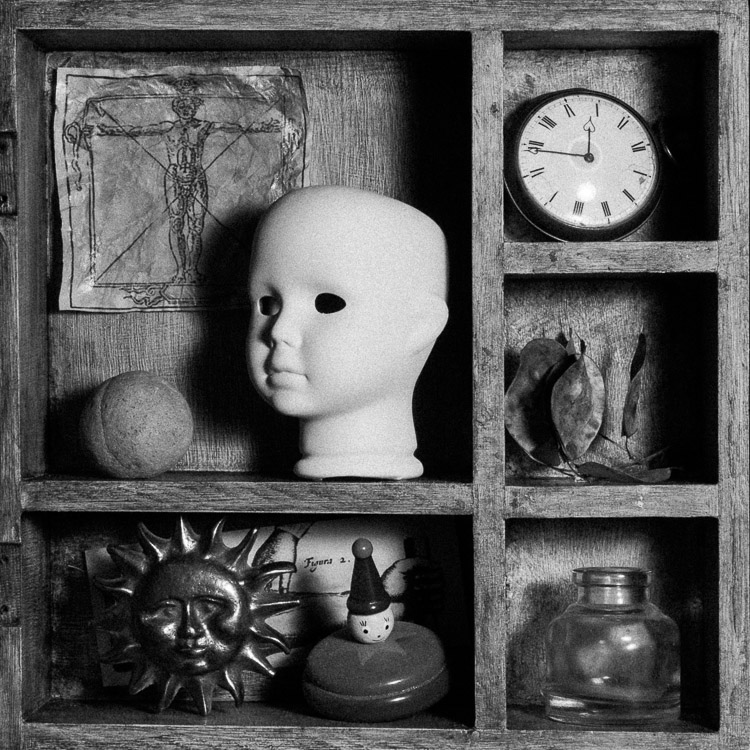
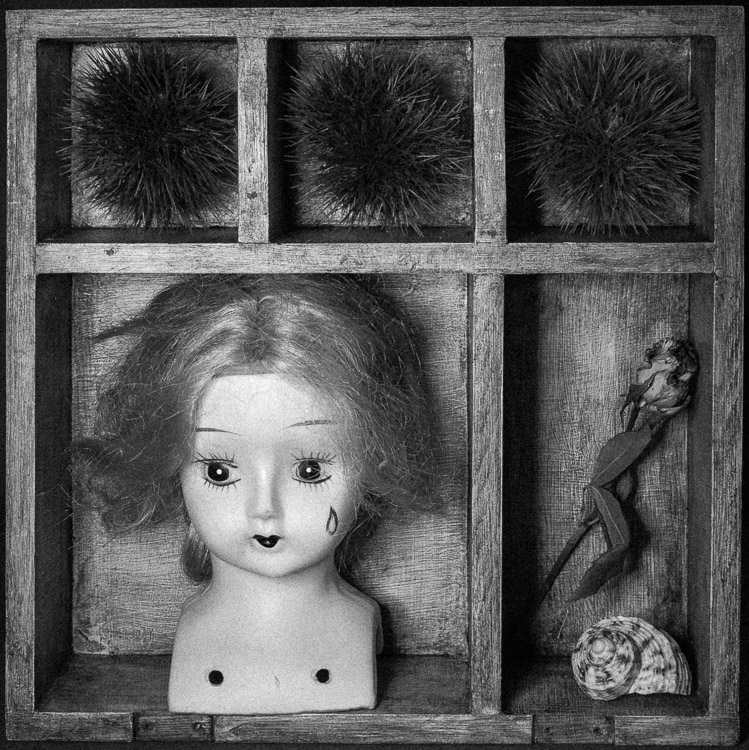
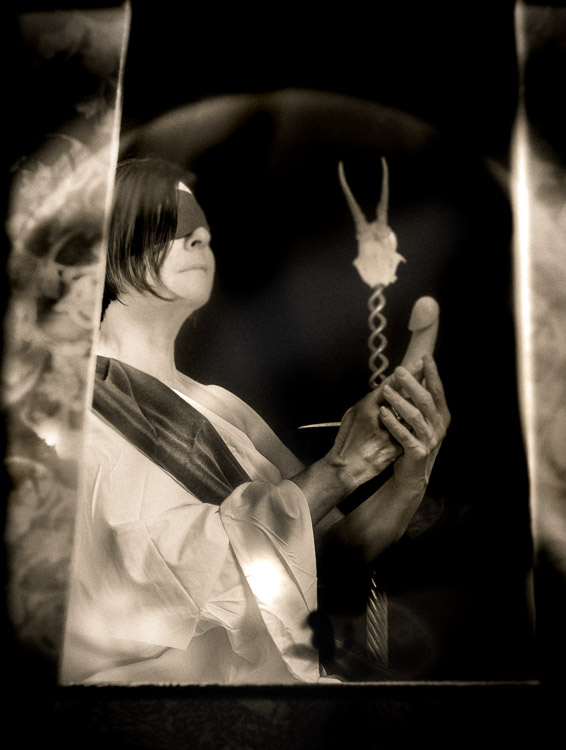
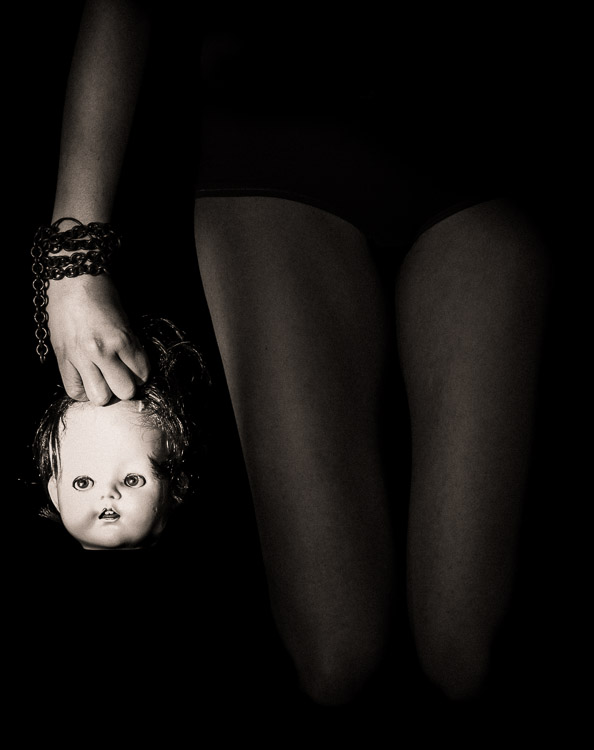
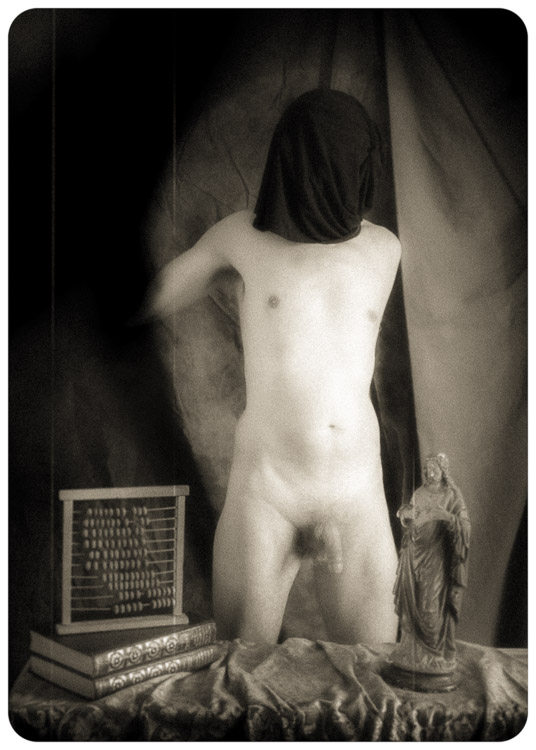
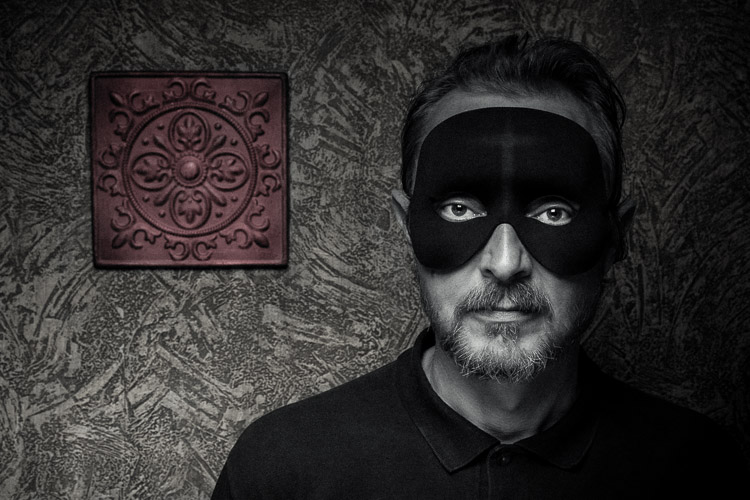
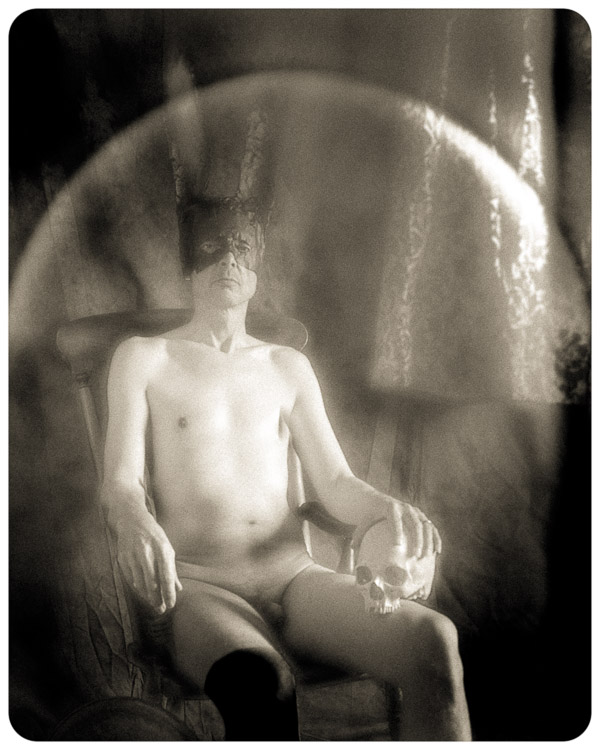
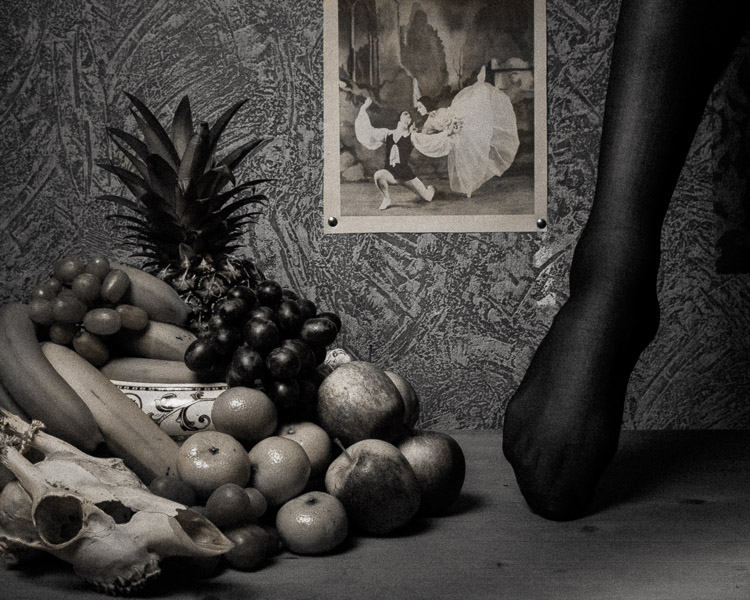
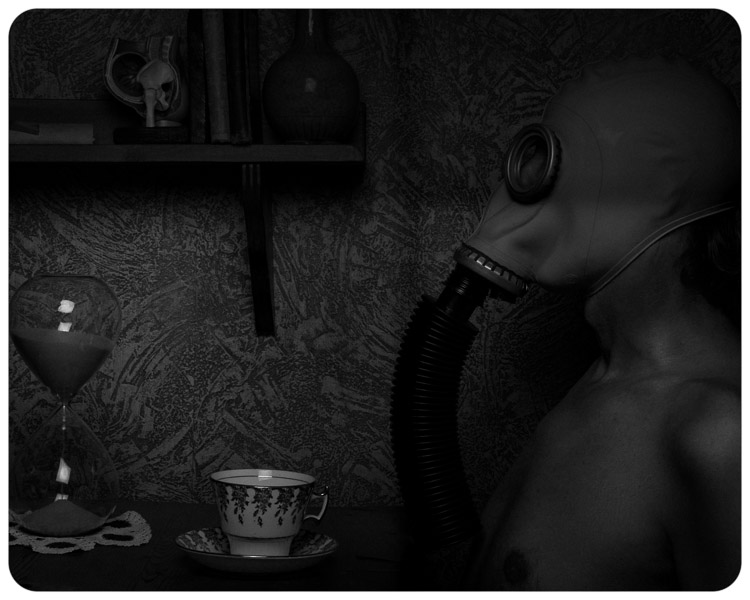
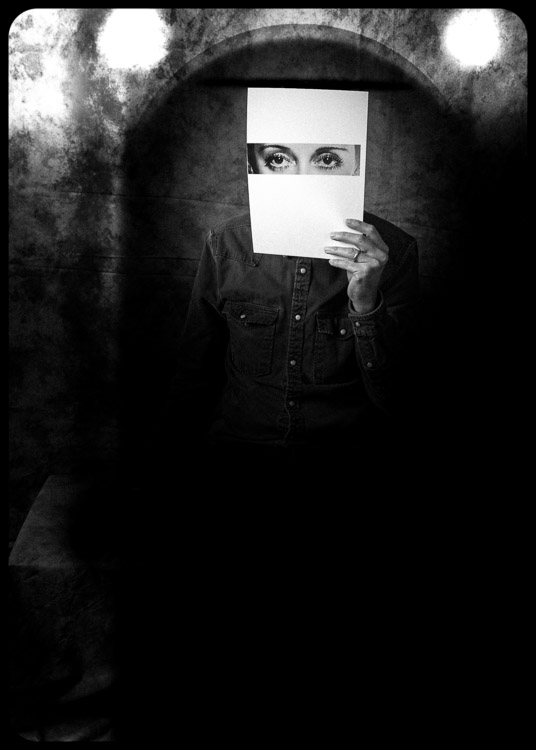
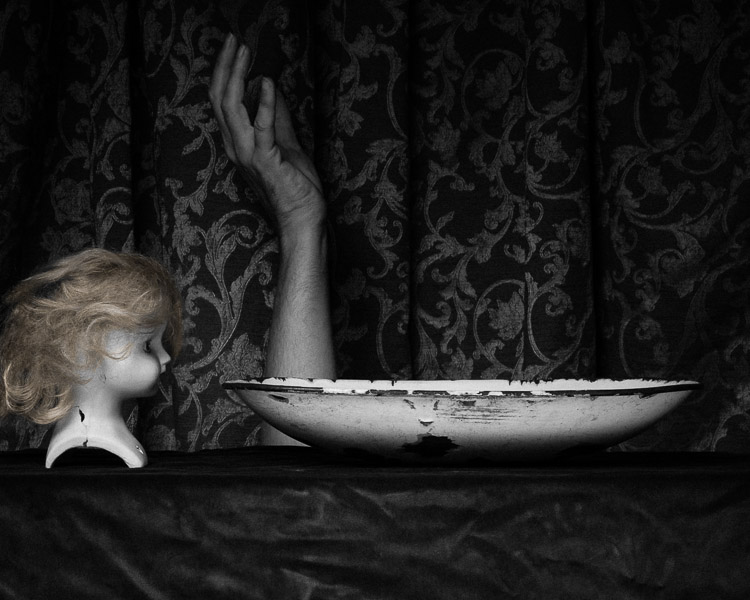
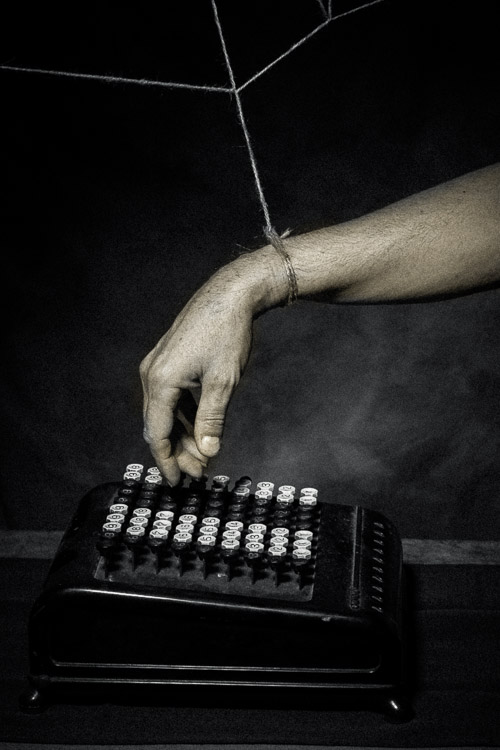
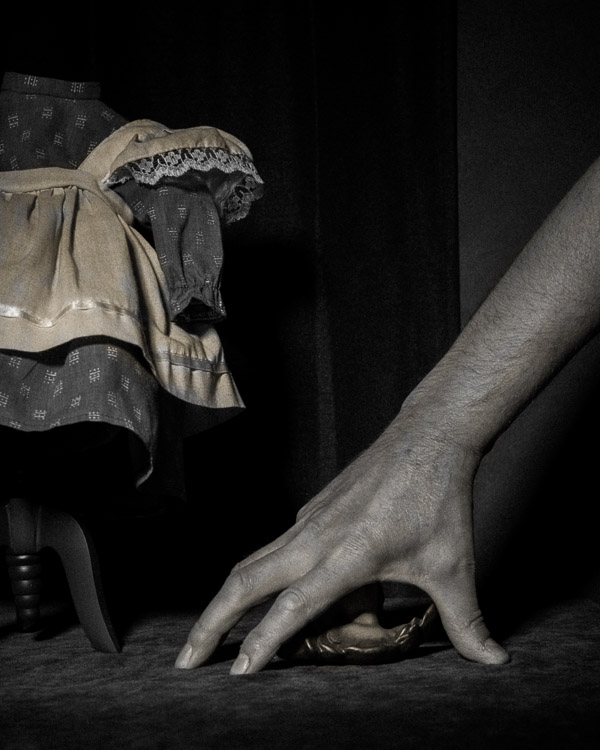
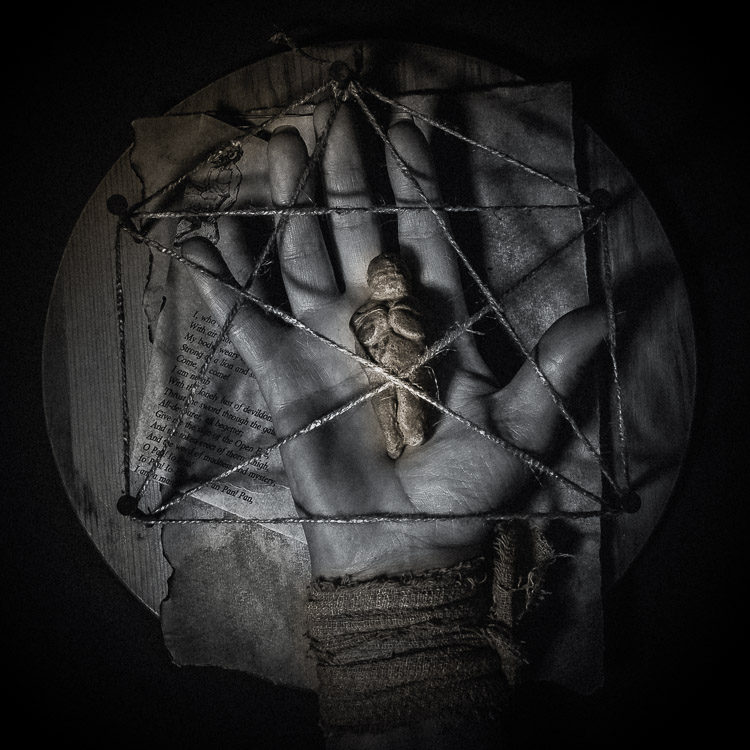
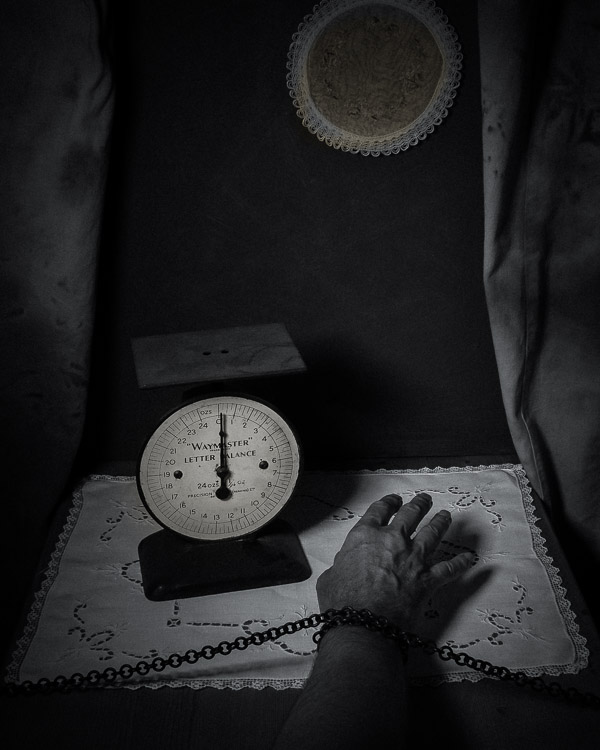
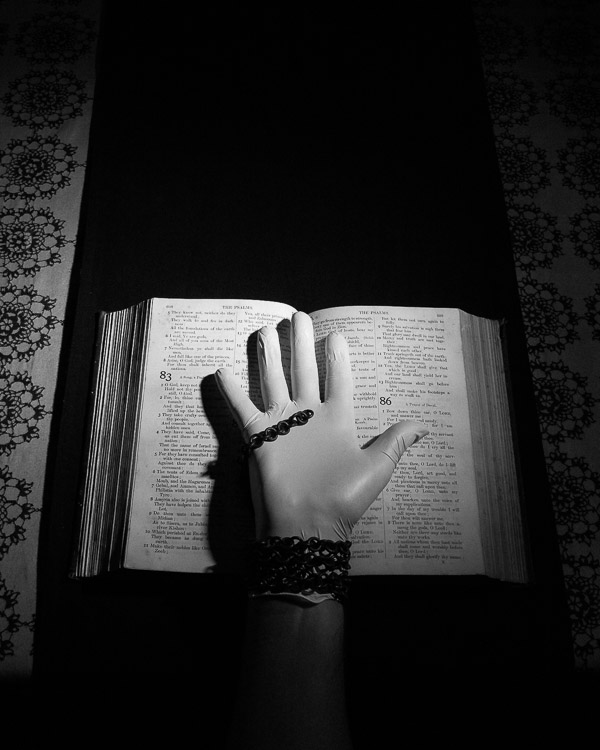
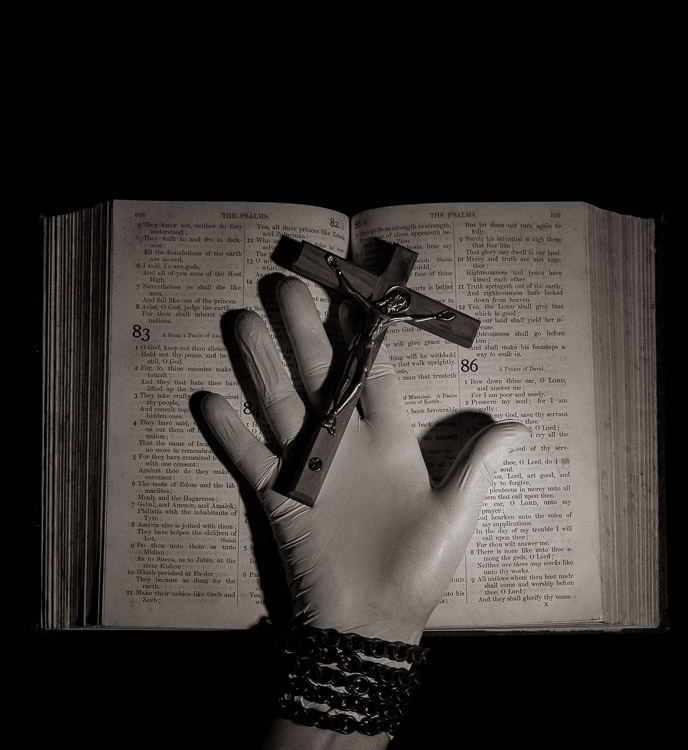
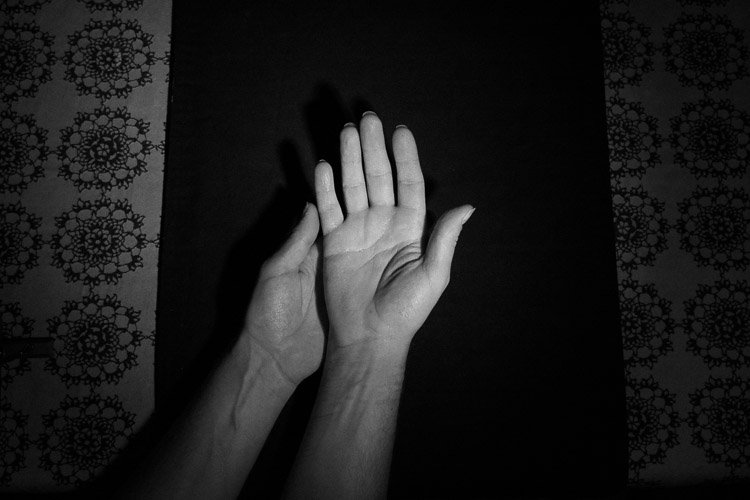
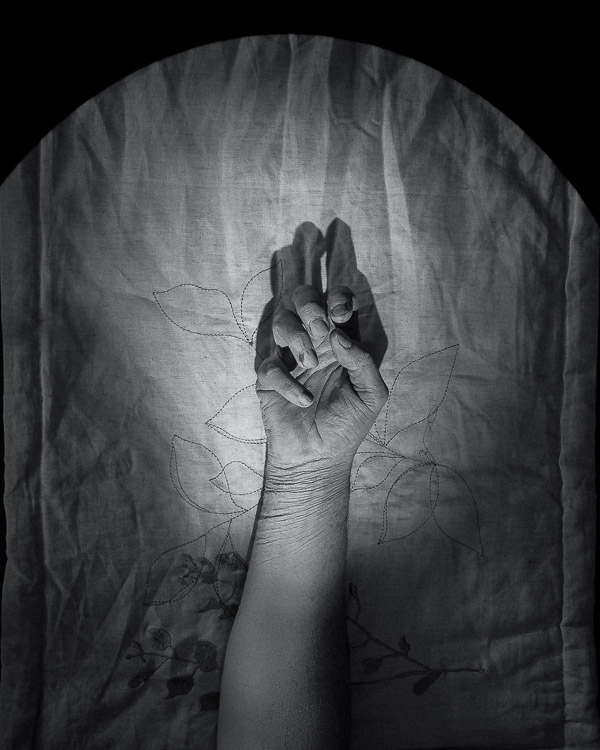
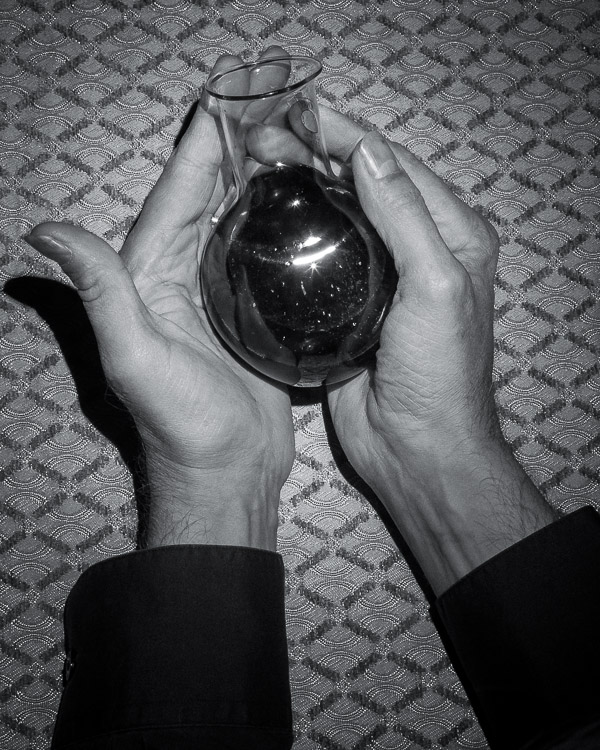
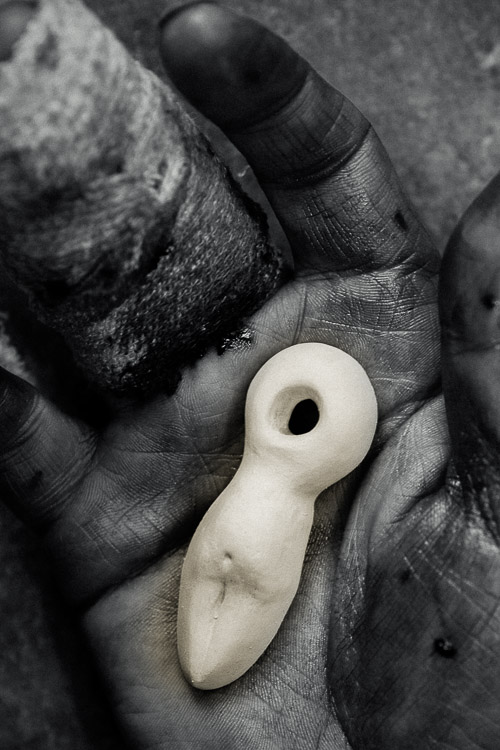
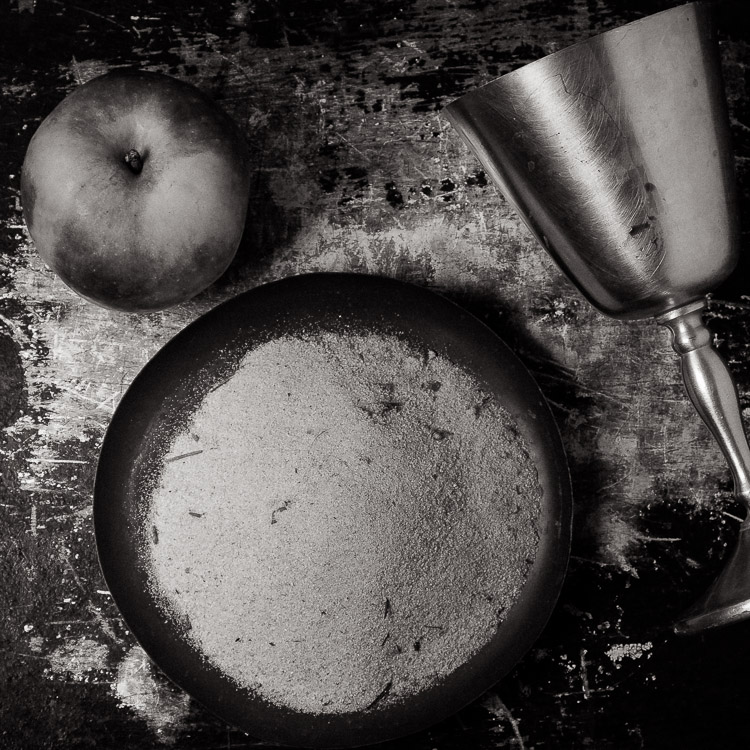
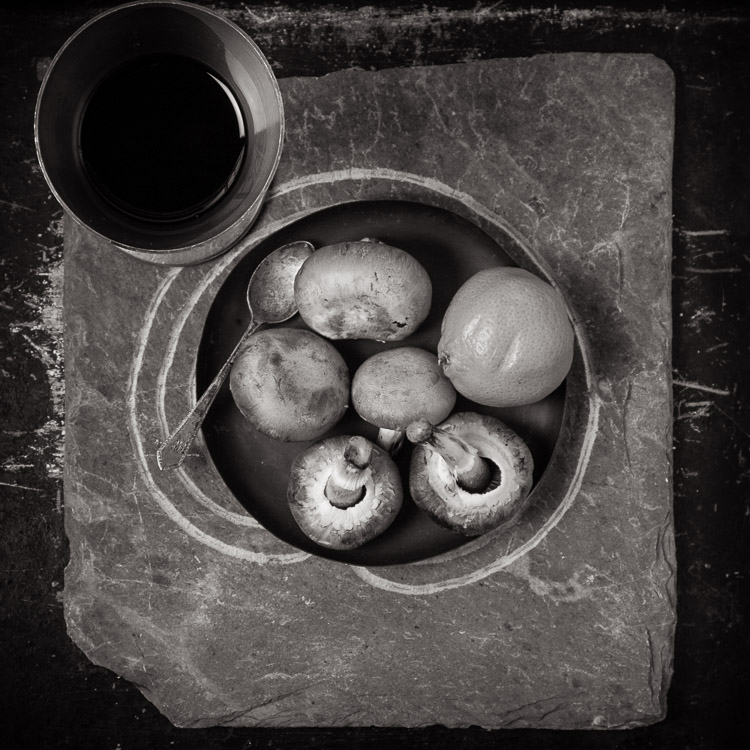
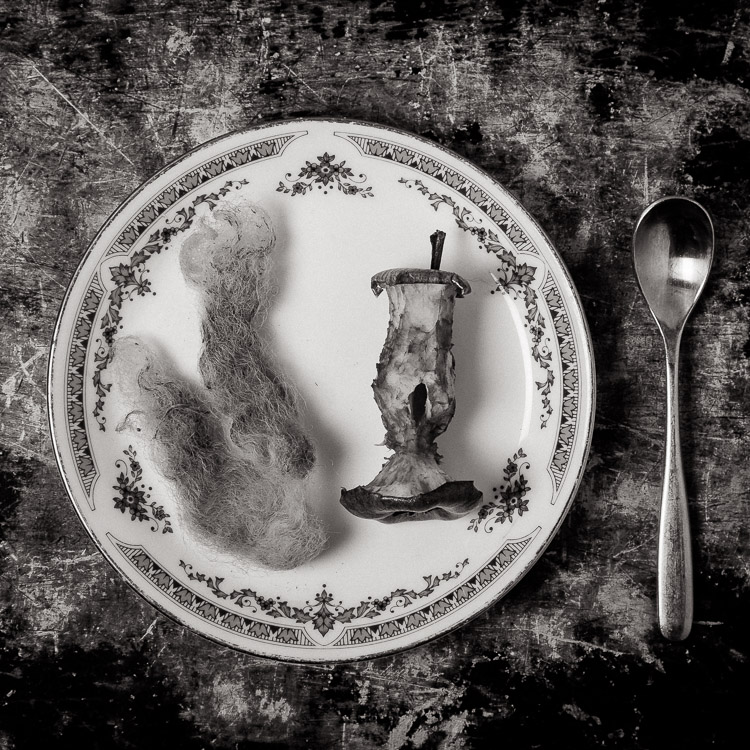
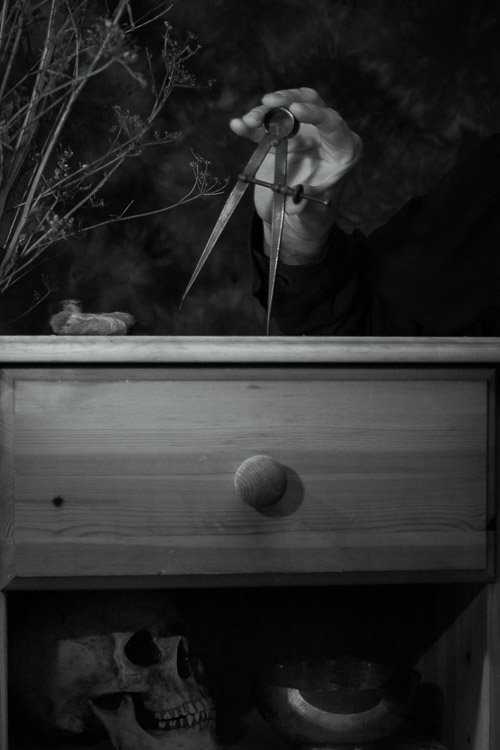
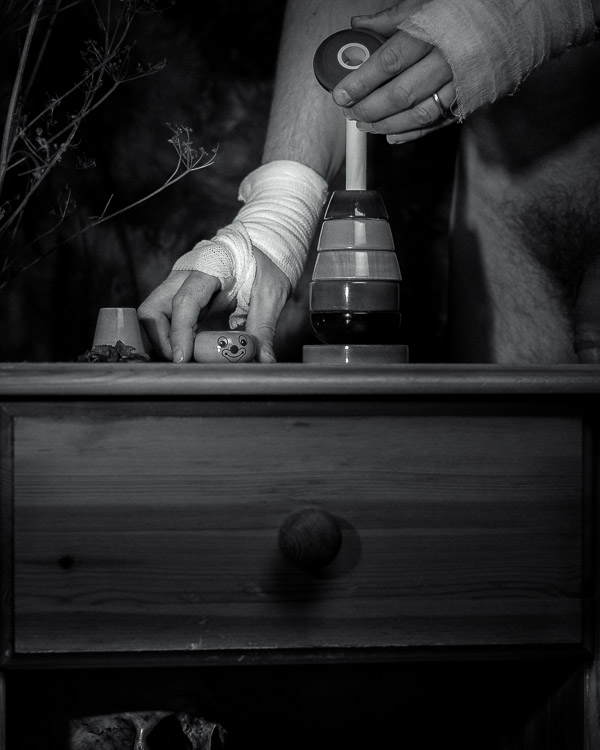
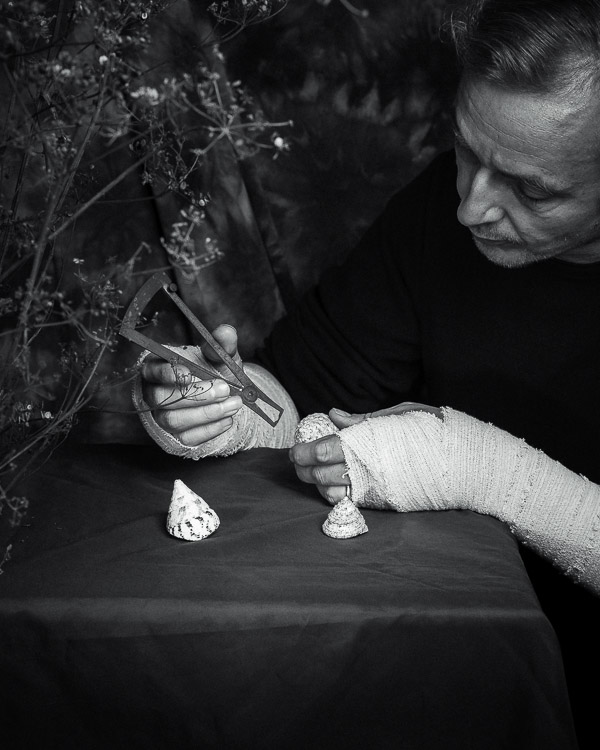
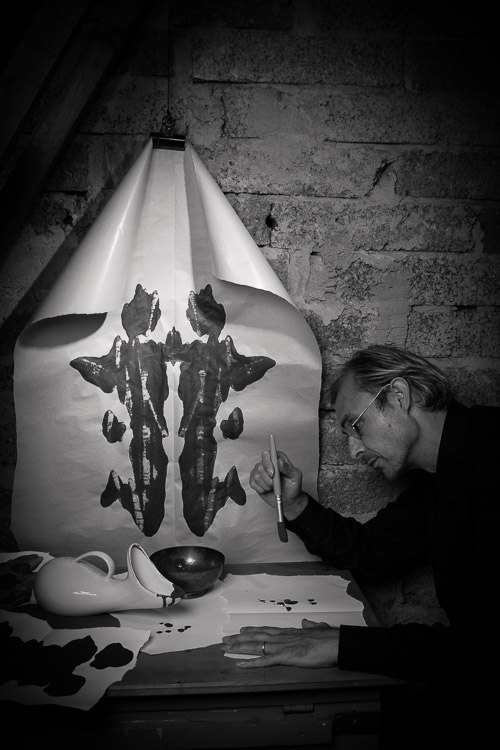
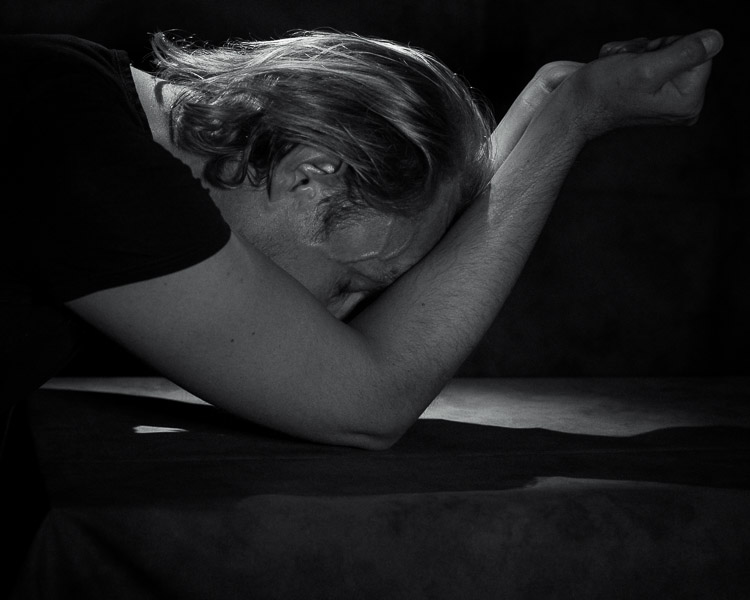
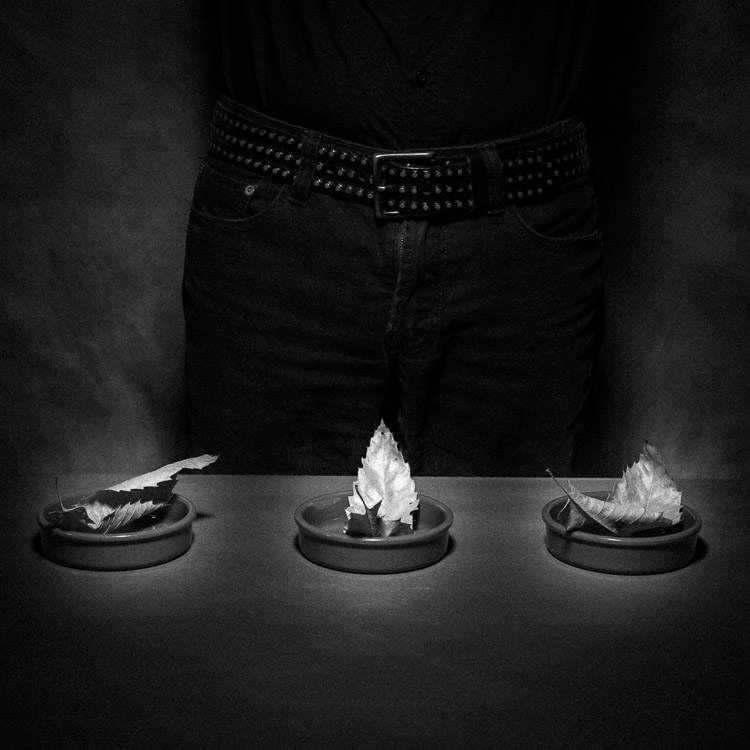
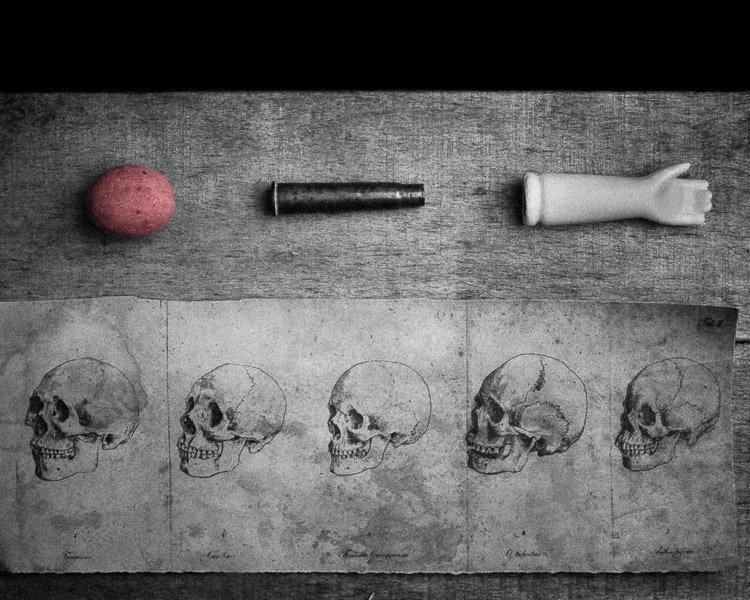
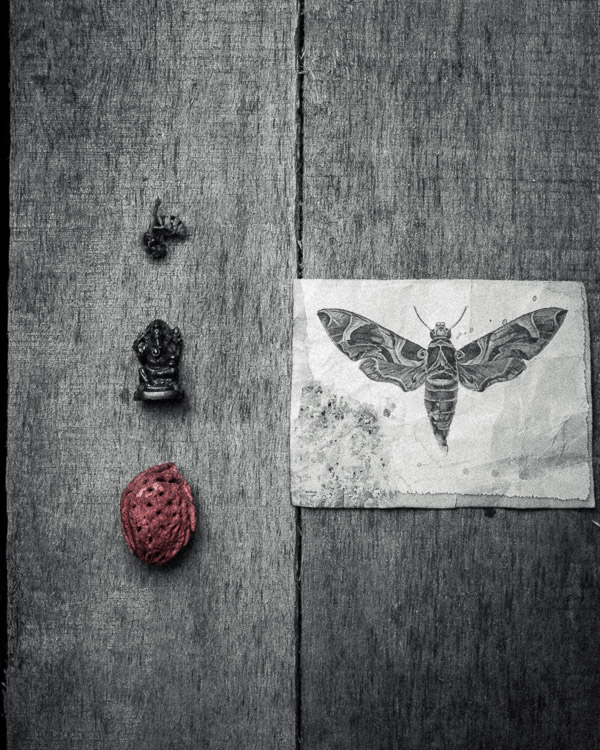
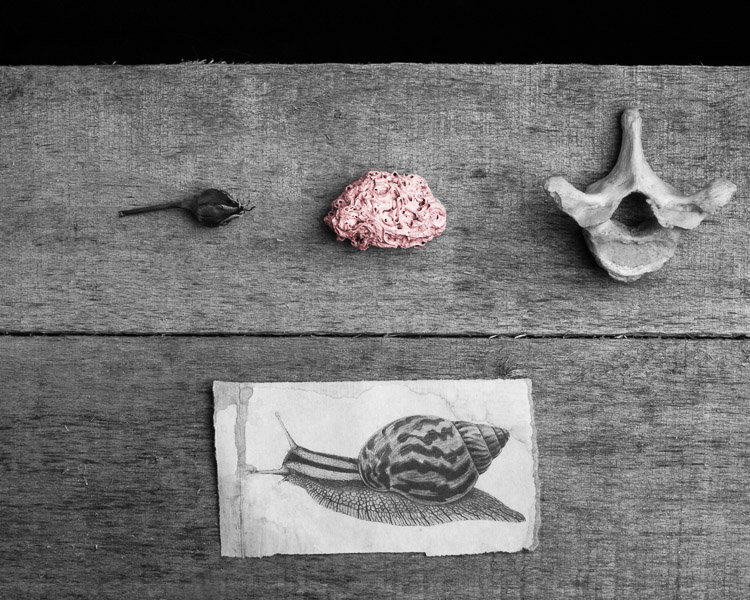
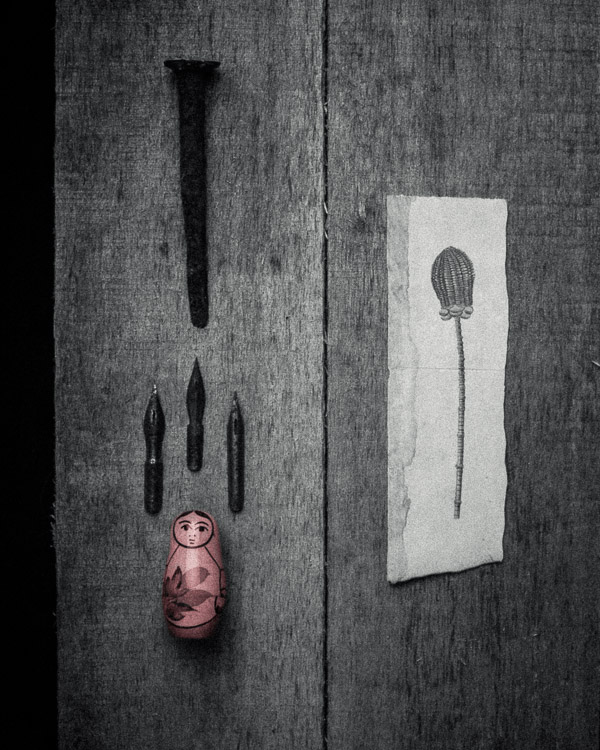
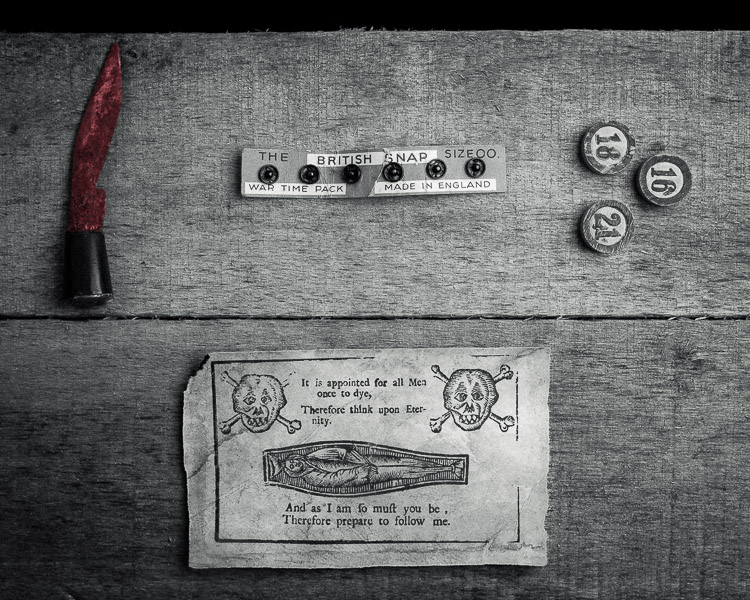
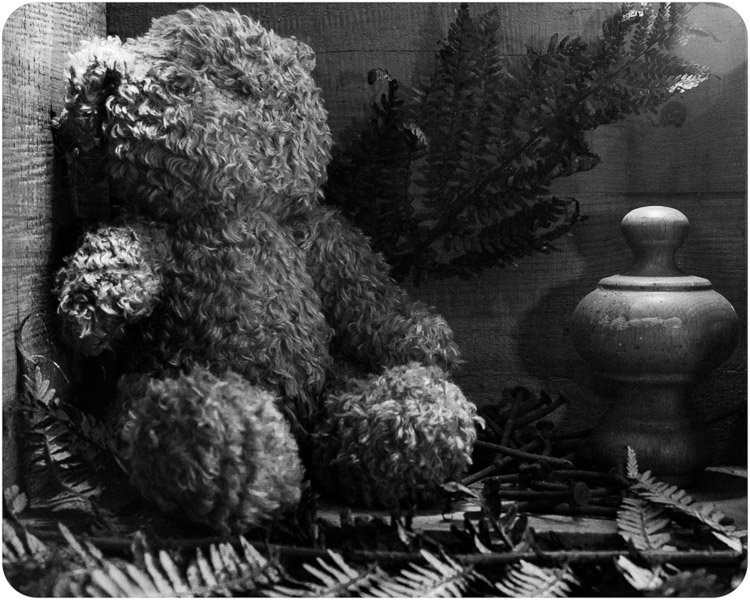
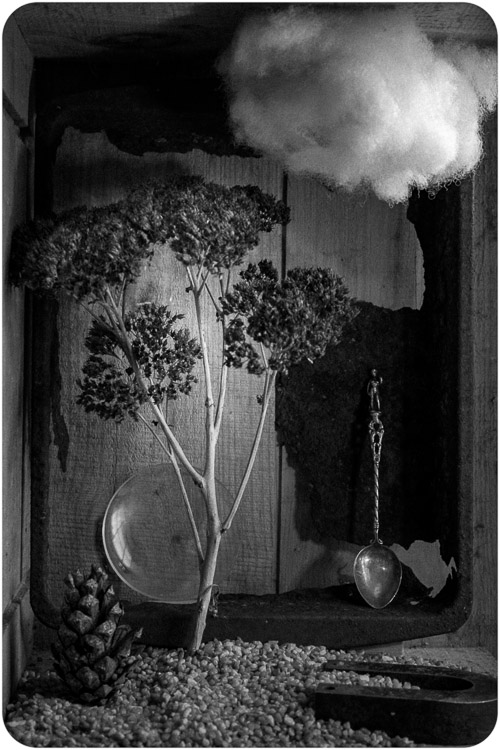
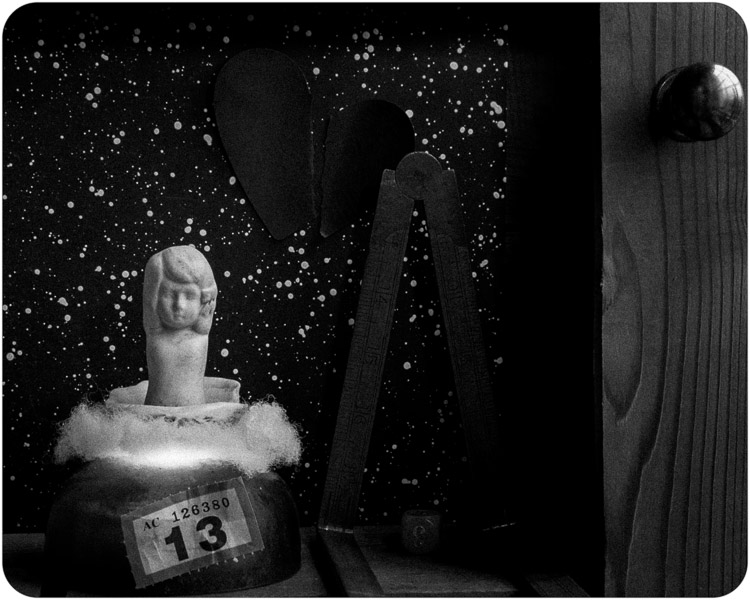
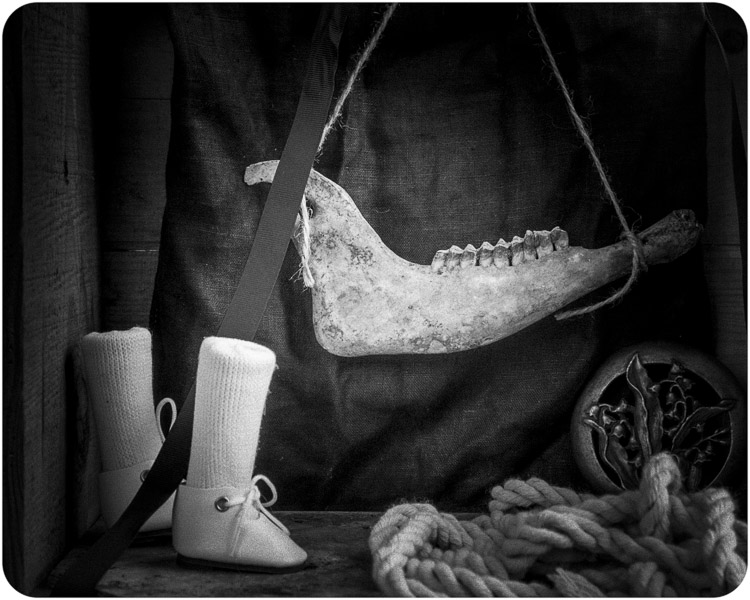
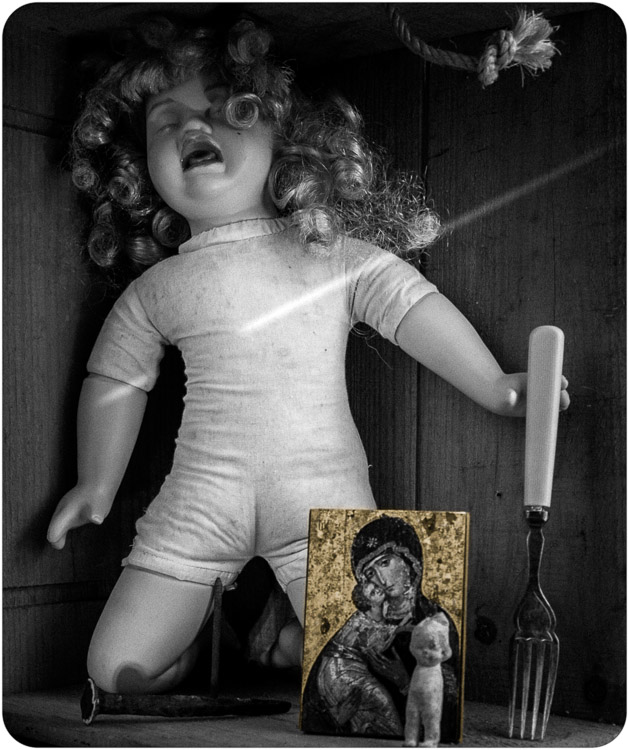
I consider my images to be a theatre of memory, a representation of circumstances that have or will occur, in some-place, at sometime. An exploration of thoughts, relationships, sentiments and emotions. Depicting events that have faded from memory or have yet come to pass.
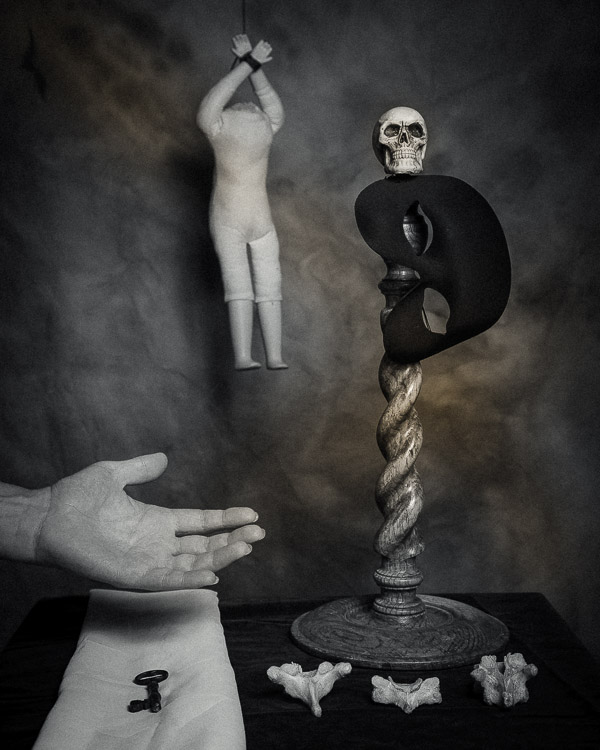
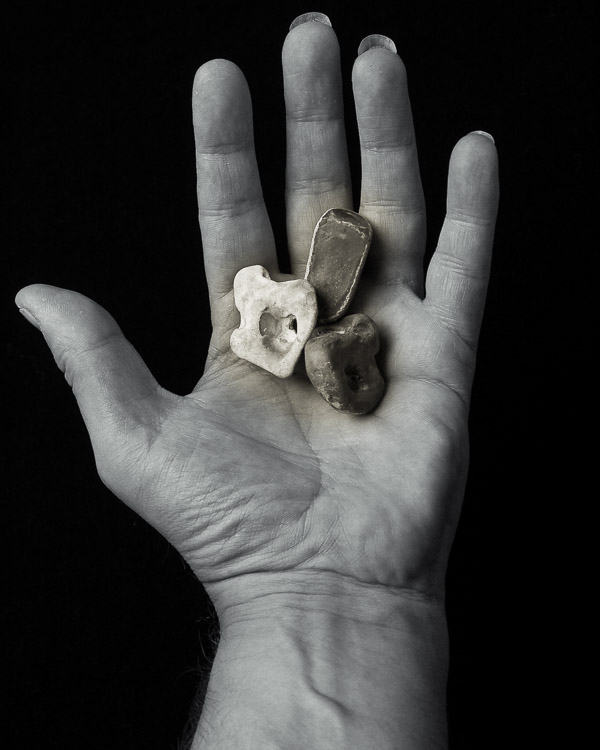
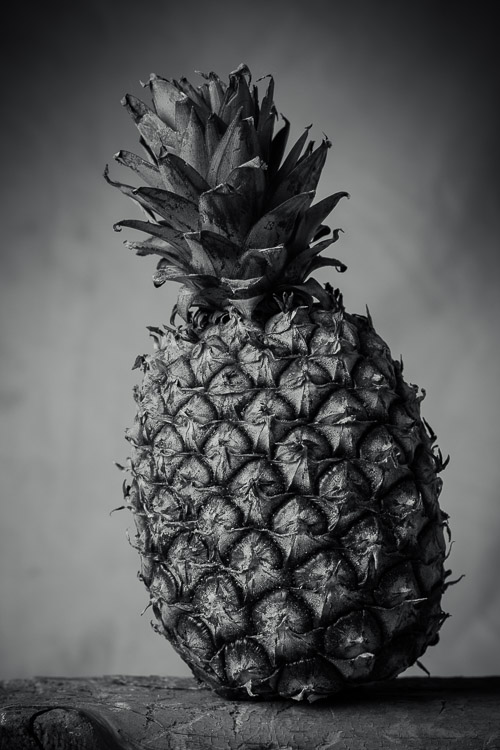
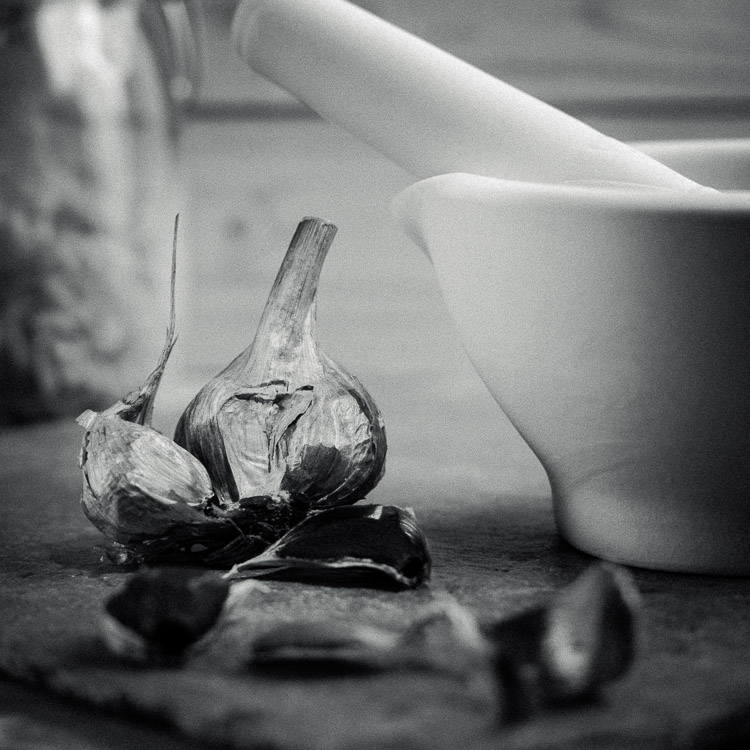
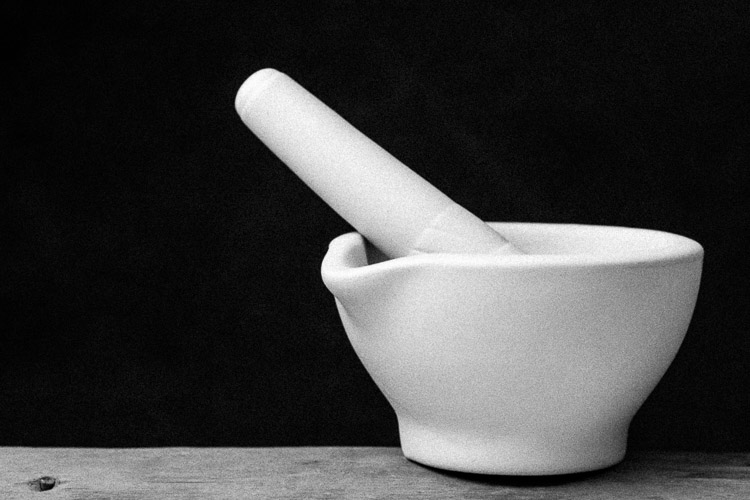
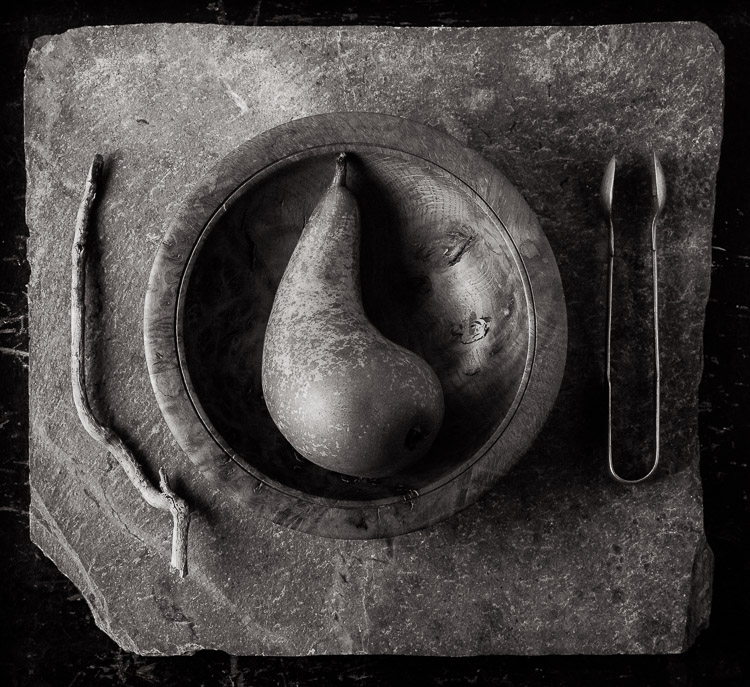
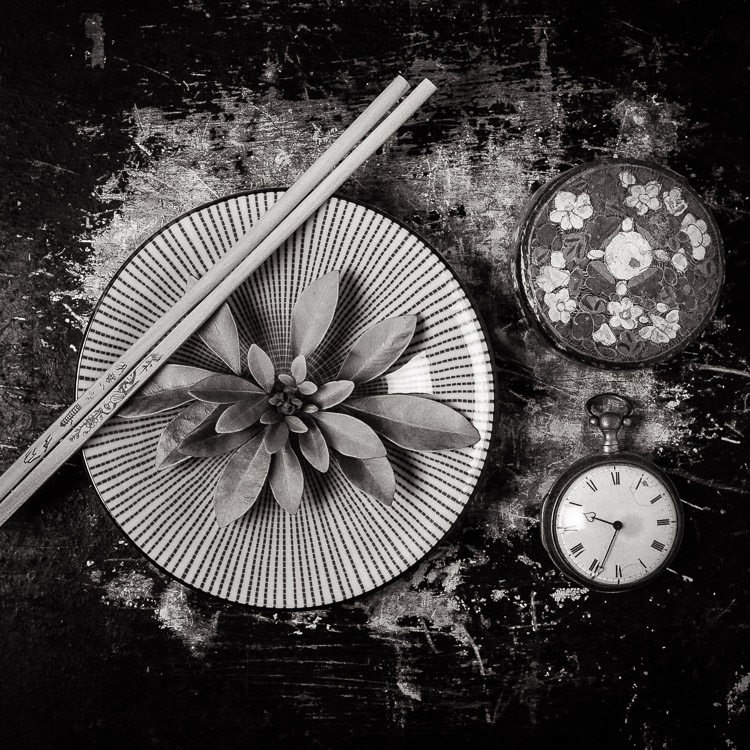
Primarily a still life photographer I attempt to realise my ideas through found objects, created objects and the occasional person. I am inspired by music, classic horror films, Victorian writers, the occult, every-man psychology, mythology and of course dreams.
My Process
The starting point of an image is often a single line, a phrase in a book, from a film, or a song, it may even be an object itself. This will trigger a series of stories and images in my mind. I will sketch these very loosely, both pictorially and with the written word and then set about collecting what ever I may need in the way of props, in order to attempt to recreate the image in my head. This can take only few moments, or I could spend over a year searching.
Musings
“Photography deals exquisitely with appearances, but nothing is what it appears to be”
Duane Michals
Still Life
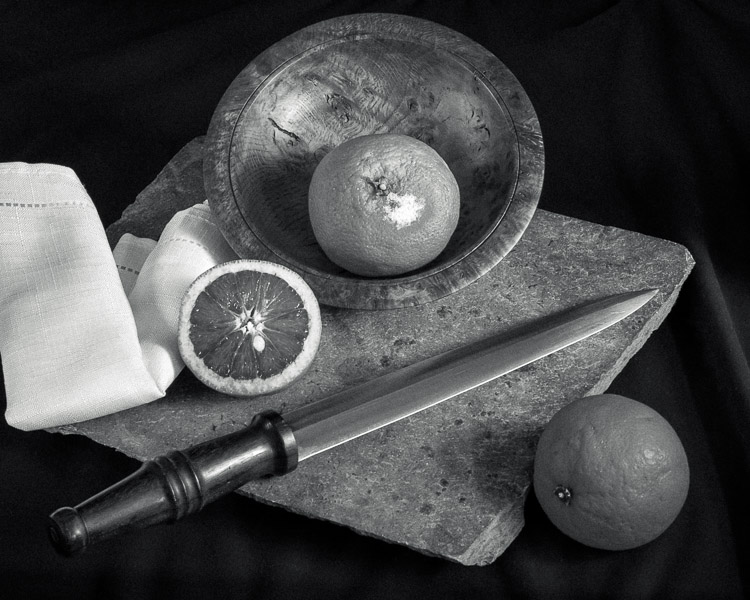
My thoughts on the still life image and the amateur photographer Within the art world, the humble still life is held in great esteem, with many great artists both past and present practising this genre.
In the middle ages artists were expected to portray tableau's of a religious nature these were more often than not scenes from the bible. It was not until the Renaissance, when artist really started to practise their still life skills, in order to add more life like arrangements to their religious or mythical representations, thus creating a three dimentional, realistic look and feel to their paintings. Eventually through a shift in patronage the artist was called upon to paint the wealth or produce of the new merchant classes. By the seventeenth century still life had come into its own, and was especially popular in the Netherlands. Although it was still not regarded as highly as mythical or biblical scenes, it was very popular with the people.
It wasn't until the invention and the growth in popularity of photography, that the humble Still Life truly shed its shackles. The photograph freed the painters from reproducing what was in front of them. Notably the Impressionist and the Post Impressionist were free to experiment with colour, shape, texture etc. creating vibrant and thought provoking Still Life images, where the content was less important than the vision or ideas that were being portrayed.
And yet still life is still often perceived to be a lesser or lower form of art, when compared to the great traditions of landscape and portraiture, after all it's what you do when learning to draw or to operate your camera. This perception appears especially true within the photographic world. And becomes apparent after a cursory glance through photography books and websites.
Of course this is a generalised statement and some very good Still Life images can be found in both but these are few and far between when compared to the shear volume, of both good and bad Landscapes, Portraits, Fashion, Architecture, Street photography etc..
The question then, is, why should this be? I believe that it could be due to FEAR? A fear of failure, on the part of the artist, especially those just setting out on their journey.
Not just a fear of failure, but also a fear of negative criticism from peers, friends, even imagined rejection from those you do not know. And could this be because throughout the production of a Still life image, you the artist, have total control over every aspect of its creation. The inevitable result is a very intimate statement of vision. Which opens oneself up to a criticism that is unavoidably personal, and will affect one on an emotional level. Because, quite simply, there is no other person, event or thing to blame, for this perceived failure other than yourself. After all who hasn't had thoughts like, “if only the clouds were better”, or “I should have got up earlier”, or “the damn bird moved just as I clicked the shutter!” These are all excuses that we have heard and even used, and they are just that, excuses, not reasons. And yet for some reason we accept them and move on. Why? Probably, because we can fool ourselves into believing them and quietly, shift the blame for a bad image.
I believe when it comes to Still Life we should forget the critics and their criticism for the very reason, that the image is intimate and personal and only you the creator can know if you have achieved what it was that you set out to do. Only you, the artist can decide which of your images have realised the vision that you had at the time of creating it. This does not mean that we should not listen to others, because there is always something to be learnt, and to achieve this you should enter into a proper two way conversation. If someone makes a comment, negative or otherwise, online or in person, you should reply by explaining your aims and objectives, and for example, give a reason why the fruit has a blue colour cast, and then maybe ask them if you have achieved your vision in their opinion, and what, if anything they would have done differently. This is not to say that you need to change your image to fit their vision, but you should note their views and ideas, maybe for a later project, in this way your knowledge and skill set will grow with each photograph that you create. In short you the artist would have made the decision to photograph that object, in that light, using that exposure, aperture, shutter speed, framing etc.. So if the fruit appears to be blurred or out of focus, it's because you made it that way, and if it should be sharp, then you have not achieved what you set out to do and you need to go back and reshoot, making the necessary changes in order to achieve your vision.
This is a luxury that other photographers very rarely, if ever, have. With perhaps the exception of product (still life) and fashion photographers, but in their case the mistakes could be very costly and would probably result in them not getting further jobs from the companies that employed them.
I am not saying that this is easy, far from it. You need to practice and learn the technical side of photography and I believe at the very least you should have a rudimentary understanding of both Art history and language, in order to create images that fulfil your vision, finally and perhaps hardest of all you need to learn how to be your own critic and editor, only showing work that in your opinion has not only realised the original idea but realised it in a way that communicates your vision in an understandable way.
Contact
“To photograph is to confer importance.”
Susan Sontag
Gary
I do not take photographs for a living but should you wish to contact me please do not hesitate to do so, just leave a message on my G+ page
Gary Colbert-Owen Google+, Or cut and paste to email
gcolbertowen@gmail.com
I can also be found on Facebook, where I post the odd experiment or maybe a variation of an image from here.
Address:
Newbury
Berkshire
England
Home
“Remembrance of things past is not necessarily
the remembrance of things as they were.”
Marcel Proust
Galleries